
Wakefield Council expecting £25m from public land and property sales
Wakefield Council is expecting to receive around £20m from the sale of public land and property during the next financial year.
A meeting was told the authority was also set to generate £5.4m during the current year from similar asset disposals as part of efforts to downsize its estate portfolio due to financial pressures.
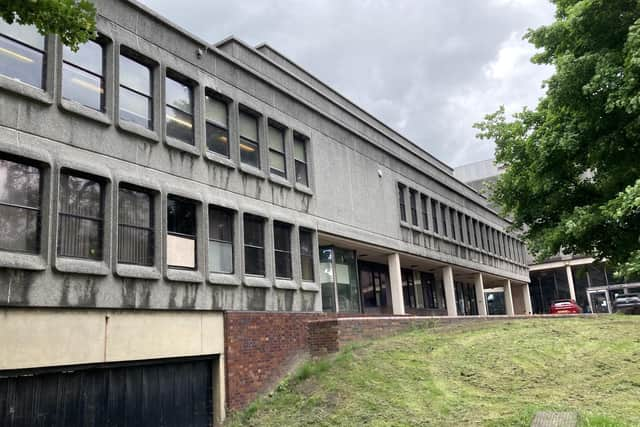
The use of other key public buildings, including the council’s Wakefield One headquarters and Grade-I listed County Hall, are also to be placed under review during the next 12 months.
Asset disposals completed, or close to completion, for the current financial year, which ends on Tuesday, include Woolley Hall, a 17th Century former mansion house, and Castleford Civic Centre, which is set to be demolished to build SEND facilities.
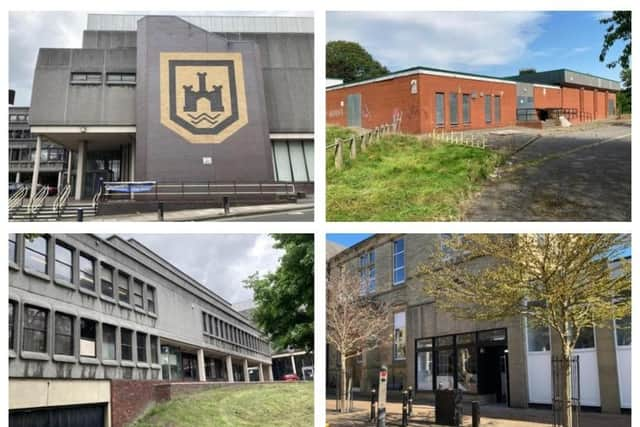

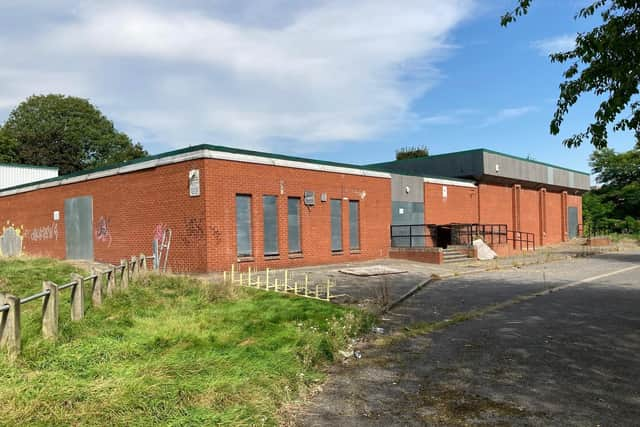
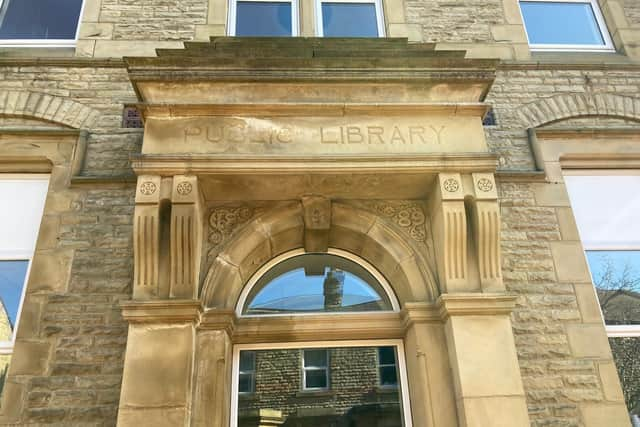
The sale of land at City Fields for housing, Ossett’s former library, Pontefract’s old swimming pool building, Upton Youth Centre and a former care home in Eastmoor are also included in expected receipts for 2025/26.
According to a report, “significant” capital receipts totalling around £20m are predicted during 2026/27, mainly associated with larger development projects at the former West Riding landfill site, Castleford’s old swimming pool and further land disposals at City Fields.
Details of the sales, which form part of the council’s 2025-28 estate strategy, were discussed at the authority’s audit committee meeting.
Jane Brown, the council’s service director for property and facilities, said: “At the minute, the estate is just far too large and our budgets will not stretch to managing and maintaining that whole property estate.

“We want to start to look at what we can dispose of in more detail.
“In terms of doing that work we have got challenges but there is a significant amount of work happening at the moment.”
Predicted capital receipts from sales in future years beyond 2026/27 were “significantly lower”, councillors were told.
The report explained: “As the portfolio size reduces, the opportunities for large capital receipts will become harder to find and smaller assets will be a more frequent feature in future disposal programmes.
“A significant challenge acknowledged throughout the delivery of the estate strategy is the council’s ongoing financial position.”
The document said required changes included: “Reducing costs, increasing income, generating capital receipts and ensuring the council has property fit for the rapidly evolving challenges of the 21st Century.”
A portfolio transformation group was establisged to review “vacant and surplus” property as part of the strategy.
The report highlighted issues faced by property and management teams, including delays in completing building surveys which resulted in “a lack of data to be able to make informed decisions.”
It said: “Some condition surveys and asset verification have been requested separately and have uncovered significant building condition issues which will require increased investment.”
Management and organisational changes within departments had also “had an impact on staff”.
The report said: “Recruitment has been challenging, specifically securing property and building skills and energy management expertise.”
Key priorities outlined for 2026/27 include reviewing the council’s Wakefield One headquarters building to “maximise occupancy levels.”
The “future use” of County Hall is also expected to be assessed.
In February 2025, senior councillors agreed to spend almost £6m to repair the roof of one of the city’s most iconic buildings.
Wakefield Council acquired County Hall in 1987 after West Yorkshire County Council was abolished and then used it as its headquarters until 2022.
The report said: “Surveys on County Hall have uncovered additional items of work and condition issues that could not be identified via visual inspections, specifically related to the condition of the flat roof structure and deterioration in the external stonework.”
A 15-year maintenance plan for schools and corporate buildings is also expected to be completed within the next 12 months.
Council leader Denise Jeffery announced the asset disposal plans at a full council meeting last September, saying: “Obviously, we need to make savings across the council.
“We are looking to sell property and land.
“I will be circulating to all members areas in their wards that may be put forward for sale.
“If anyone wants to talk about that, or is concerned about it, I’m happy to talk about that.”
At the time, then Conservative opposition leader Nadeem Ahmed accused the Labour-run authority of “selling the silverware” over the disposal of Woolley Hall.
In response, Coun Jeffery said: “Times are tough in local government. We are not funded properly and we have to get rid of assets.
“You know very well why we are selling it. It’s not a failure of anybody.”