
WASPI campaigners challenge Leeds candidates with 'one simple question' ahead of local elections

WASPI campaigners are pressing Leeds candidates to respond to an important question as elections loom
WASPI campaigners in Leeds have written to all candidates in the city, calling on them to answer “one simple question” ahead of the local elections on May 7.
The letter, penned by the Leeds Women Against State Pension Inequality (WASPI) group, asks all local candidates whether they will stand with local women in their fight for fair compensation.
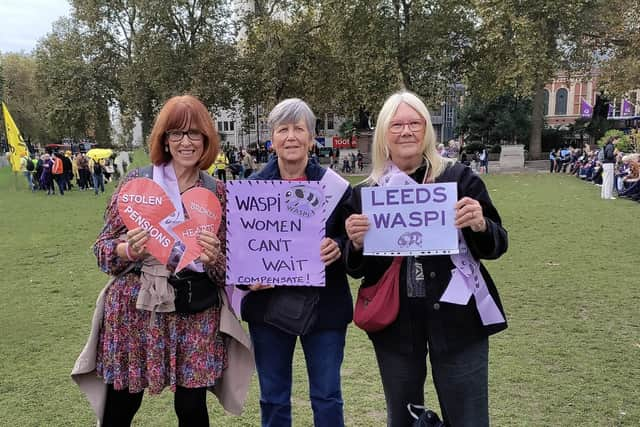

The letter continues: “This decision has caused enormous anger and disappointment among women in Leeds who have spent years campaigning for justice […] With crucial elections approaching this May, voters in our communities will be looking closely at where their representatives stand on this issue.”
WASPI refers to women born in the 1950s who were affected by changes to the state pension age, which campaigners argue were not properly communicated. An official ombudsman found maladministration by the Department for Work and Pensions (DWP) and recommended compensation, but the Government has rejected payouts, prompting ongoing legal and political pressure.
Campaigners are also urging council candidates across England, as well as parliamentary candidates in Wales and Scotland, to back their campaign and “lobby local candidates”.
Angela Madder, chair of the WASPI campaign, said the May elections are a “critical moment” for WASPI women across the country.
“Women in Leeds, like WASPI women everywhere, simply want to know that their elected representatives will fight for them,” she said. “The Government should act urgently to end this historic injustice. For many of us, time is running out.”
The call comes as lawyers representing WASPI wrote to Government lawyers earlier in April, highlighting “multiple legal errors” and challenging the Department for Work and Pensions’ (DWP) stance on compensation.
The move could see campaigners return to the High Court for a second judicial review.
New analysis has revealed that more than £112 million could be paid out to 38,510 women born in the 1950s across the country if the Parliamentary Ombudsman’s recommendations are implemented.
In 2024, the ombudsman found the DWP guilty of maladministration, ordering it to pay financial redress to more than 3.5 million affected women.
Despite this, ministers have continued to reject calls for compensation, citing the complexities of delivering a financial redress scheme in an update to Parliament in January.
According to campaigners, the worst-affected women were given just 12 months’ notice of a six-year increase to their state pension age.