
'It makes economic sense': Tracy Brabin defends £4bn Microsoft data centre in Leeds
More than 44,000 people have signed an online petition against the plans
An environmental debate is continuing over Microsoft’s plans to build a data centre complex in Leeds.
The tech giant can redevelop the former Skelton Grange power station site after planning permission was given by Leeds City Council.
The city’s Green Party is among groups raising concerns over the amount of water and energy the £4bn scheme in Stourton would use.
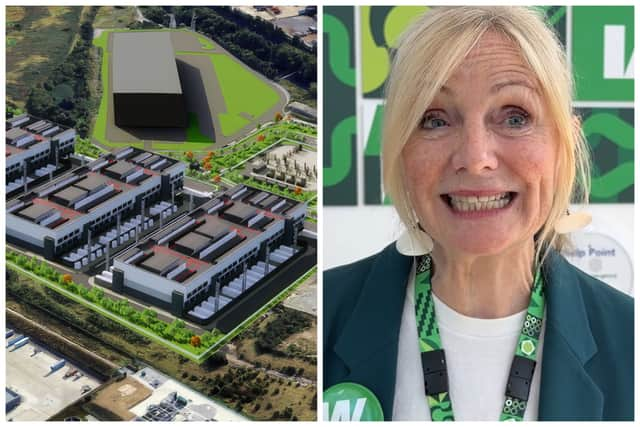

But West Yorkshire Mayor Tracy Brabin defended the economic benefits of the project.
She said: “I am really aware of people’s anxieties about data centres. But let me reassure you that big tech does not have a blank cheque here in West Yorkshire.”
Ms Brabin said the council’s planning department worked to rigorous standards on climate issues.
She said: “It makes economic sense for our region. I am ambitious for our region and I know communities really want me to deliver growth.”
Around 250 people gathered in Millennium Square last month for a protest organised by action group No Leeds Data Centre.
More than 44,000 people have also signed an online petition against the scheme.
Microsoft said the air-cooled facility would support digital services for communities, businesses and the public sector.
Councillor Penny Stables, who leads the city’s Green group, said powering new data centres could lead to more burning of fossil fuels.
She said: “We don’t have the capacity in our renewables in this country at the moment.
“Which means that inevitably, we’re going to have to burn more gas. That means creating huge amounts of additional emissions.”
The Skelton Grange plans include three data centre buildings housing computer servers, along with a warehouse with up to 161,000 sq ft of floorspace.
Microsoft said in a statement: “The proposed facility would be air cooled for more than 95 per cent of the time.
“We match all our energy use with renewable energy in the UK, and Microsoft remains committed to our goals of becoming carbon negative, water positive and zero waste by 2030.”