
What to watch out for in the Budget: visitor levies, 'mansion tax' and cash ISA limit cut

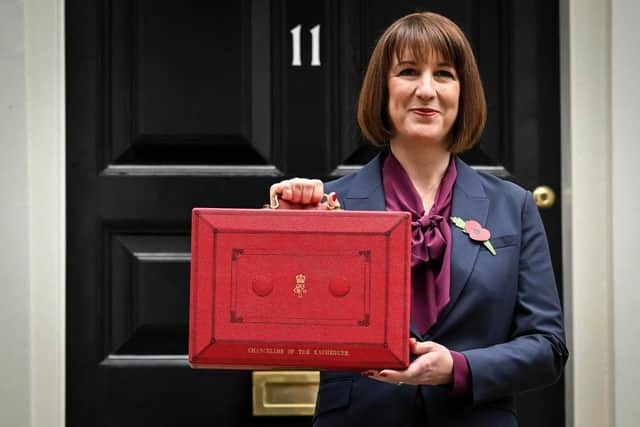
Rachel Reeves will grant mayors the power to introduce European-style visitor levies in their regions in the Budget today.
The Ministry of Housing, Communities and Local Government announced overnight that the Chancellor will allow mayors to charge around £2 for an overnight stay, with the funds then invested back into the region.
Tourism tax
Such measures are common in European cities like Barcelona and Paris, however currently only Scottish councils have the powers to impose them.
Yorkshire’s three Labour mayors have been lobbying the Chancellor for over a year for tourist tax powers.
In particular, businesses and politicians in York have called for a visitor charge to help cope with the levels of tourism in the city.
Research from York St John University has found that a £2 overnight flat rate would raise around £52m for York and North Yorkshire. This is more than seven times the combined authority’s annual budget for bus services.
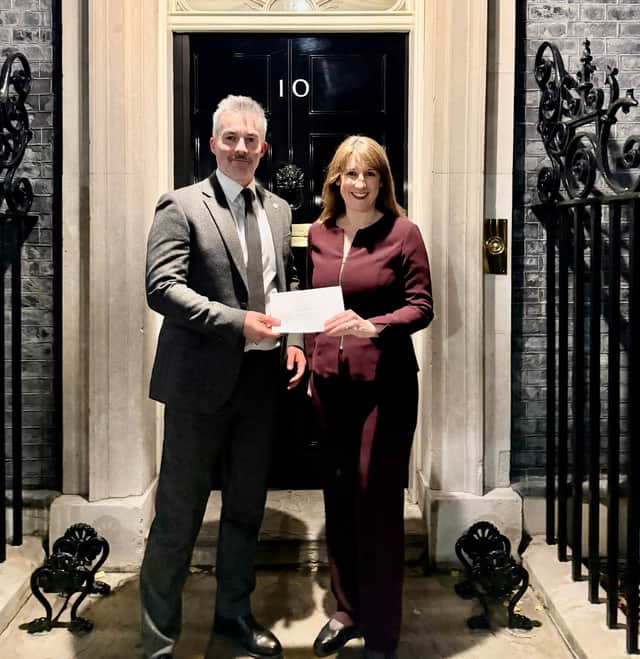
Last week, York and North Yorkshire Mayor David Skaith presented this research to the Chancellor in Downing Street, to try and get it included in the Budget.

All Yorkshire mayors have indicated they would consider introducing a scheme. West Yorkshire’s Tracy Brabin said: “I'm delighted the government has heard the strong case Mayors have made for the power to ask visitors to pay a small fee to help drive growth.
“This will allow us to invest more into making our regions even better places to visit, unlocking opportunities and help our businesses thrive.”
The move however was criticised by EasyJet boss Kenton Jarvis, who said it could encourage tourists to go to rival European cities like Paris, which already has its own visitor levy.
He said: “Any increase in tax that impacts the competitiveness of the UK visitor economy would not be a good thing.
“Last year, EasyJet flew 15m tourists into the UK and they spent just under £10bn across the UK economy… so it’s very important to the visitor economy.”
Minimum wage to rise
The Chancellor will also announce an increase in the minimum wage in the Budget, giving a pay rise to millions of workers.
Ms Reeves said she had accepted recommendations from the Low Pay Commission so that those on low incomes are “properly rewarded” for their work.
From next April the National Living Wage will rise by 4.1 per cent to £12.71 an hour for eligible workers aged 21 and over, which the Government said will increase gross annual earnings of a full-time worker on the rate by £900, benefiting around 2.4m low-paid workers.
The National Minimum Wage rate for 18 to 20-year-olds will increase by 8.5 per cent to £10.85 an hour, narrowing the gap with the National Living Wage.
This will mean an annual earnings increase of £1,500 for a full-time worker, which the Government said marks further progress towards its goal of phasing out 18 to 20 wage bands and establishing a single adult rate.
The National Minimum Wage for 16 to 17-year-olds and those on apprenticeships will increase by 6 per cent to £8 an hour.
The Chancellor said: “I know that the cost of living is still the number one issue for working people and that the economy isn’t working well enough for those on the lowest incomes.
“Too many people are still struggling to make ends meet, and that has to change.
“That’s why today I’m announcing that we will raise the National Living Wage and also the National Minimum Wage, so that those on low incomes are properly rewarded for their hard work.
“These changes are going to benefit many young people across our country, getting their first job.”
However, Kate Nicholls, who chairs UKHospitality, said: “Increases to minimum wage rates are yet another cost for hospitality businesses to balance, at a time when they are already being taxed out.
“These additional costs make action at the Budget to reduce hospitality’s tax burden even more important, especially if businesses are expected to sustain this level of annual wage increase.
‘Mansion tax’
Ms Reeves said that in today’s Budget, she will deliver the Government’s mandate for change, adding that she was determined to cut the cost of living for everyone.
She is facing a more difficult economic outlook in the medium term, with Sky News reporting that the Office for Budget Responsibility has downgraded its growth forecast for 2026 and every other year before the next election due in 2029.
The downgrade, and the subsequent reduction in tax revenues, will force the Chancellor to hike taxes to balance the books and build a bigger buffer against future shocks than the historically-low level of headroom she has previously given herself.
As she is preparing to undertake what has been described as a “smorgasbord” approach to raising tax, Ms Reeves could hit high-value properties with a new levy that applies to those worth more than £2m and could raise £400-£450m, according to reports.
Cash ISA limit could be cut
She is also expected to reduce the tax-free cash ISA limit, with the Financial Times reporting that this will drop to £12,000.
Ms Reeves is said to want more people to invest in British stocks and shares, which can lead to better profits while raising more tax.
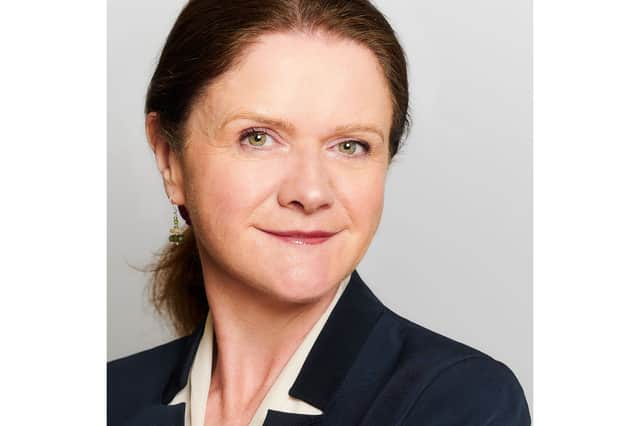
However, Sarah Coles, head of personal finance at Hargreaves Lansdown, may not necessarily persuade people to move their money into investments.
She said: “We need an investment culture in the UK, and some of the money that has been saved in cash Isas would work harder for people if it was invested instead, but there’s no evidence that cutting the cash Isa allowance would encourage them to make the change.
“There will be people for whom cash Isas are the most sensible home for their money, especially if they’re saving for the short-term, have significant sums of cash and are a higher earner.”