
Plans for third runway at Heathrow could lead to direct flights between Leeds Bradford Airport and London

New research identifies Leeds Bradford Airport as one of five UK airports most likely to gain Heathrow connections
Plans to build a third runway at Heathrow could open the door to a direct flights to Leeds Bradford Airport, according to new research.
New research by Frontier Economics has identified Leeds Bradford Airport as one of five UK airports most likely to benefit from restored connections to Heathrow, when additional airport capacity is delivered by a third runway.
The analysis also highlights Teesside International, Belfast International, Liverpool John Lennon, and Cornwall Airport Newquay as other strongest candidates for new domestic links to the UK’s main airport, based on clear evidence of underlying demand.
From Leeds Festival and the historic Piece Hall in Halifax to the Yorkshire Dales, Haworth and Hebden Bridge, the region offers some of the UK’s most iconic destinations and findings highlight a significant opportunity to strengthen connectivity between Yorkshire and the Humber and the world.
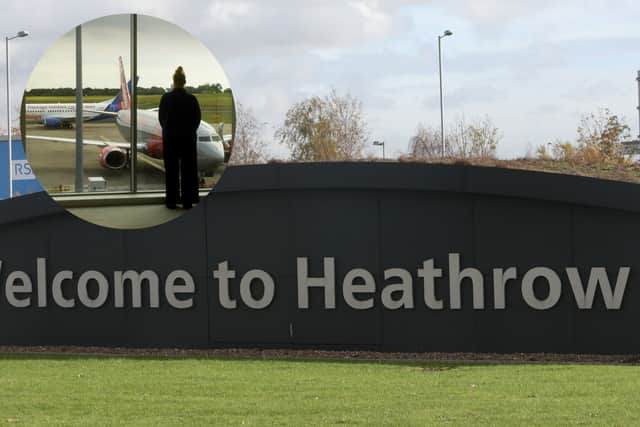

Vincent Hodder, Chief Executive Officer, Leeds Bradford Airport said: “Direct connectivity between Leeds Bradford and Heathrow would deliver significant benefits for Yorkshire’s businesses, exporters and tourism sector.
Yorkshire has a huge amount to offer international visitors and global investors, and reinstating access to the UK’s hub airport would play a vital role in connecting Yorkshire to the world. It would make it easier for global markets, visitors and investment to reach the region, while strengthening Yorkshire’s links to international opportunities. Heathrow expansion presents a significant opportunity for Yorkshire, and the sooner it can be delivered, the better.”
New domestic links, alongside strengthened existing services, could deliver substantial economic benefits for the local area. A new route operating three times per week could generate £28.6 million in tourism spending in Yorkshire and the Humber per year according to Frontier, helping to bring more international visitors into the region while supporting local businesses from hotels and restaurants to exporters and manufacturers.
Heathrow already plays a critical role in connecting the UK. Almost 5 million passengers travelled on domestic routes last year, generating around £1.2 billion in tourism spending across the UK.
For the last twenty years Heathrow has been operating at capacity, with airlines often prioritising the use of limited slots for long haul destinations. As a result, domestic connections have been lost, with passengers relying on indirect routes via overseas hubs, offshoring the benefits of connectivity away from the UK.
While airlines make decisions on which routes operate at Heathrow, Frontier Economics’ research shows that these routes are viable and expansion would give airlines the headroom to introduce new routes and reinstate lost connections, bringing more of the UK within easy reach of Heathrow’s global network.
Nigel Milton, Chief Communications and Sustainability Officer, Heathrow, said: “Domestic connectivity has always been central to Heathrow’s role as the UK’s only hub airport. For many communities, these links are not a luxury, they are a lifeline, connecting people and businesses to opportunities across the UK and around the world.
“With additional capacity, we can strengthen these vital connections and ensure every part of the country can benefit from Heathrow’s global network.”
The scale of this economic activity is equivalent to supporting an estimated 450–500 jobs across hospitality, tourism and the wider visitor economy, and that’s why regional airports and businesses are calling on the Government to unlock the benefits of Heathrow expansion as quickly as possible.
Heathrow already supports a range of measures to protect and strengthen domestic connectivity, through the domestic passenger discount and work with the GREAT campaign to showcase the best of the UK.
The airport will also continue to play its part in advocating wider policy reforms, ensuring Public Service Obligation regulations are fit for purpose, amend UK slot allocation rules to include domestic connectivity as a primary criterion, and abolish domestic Air Passenger Duty.