
Has a drought been declared in Leeds? Environment Agency update as city prepares for fifth heatwave
Temperatures are set to exceed 30 degrees again this week 🌡️
Leeds has been moved a step closer to being declared in a drought, after the Environment Agency (EA) issued an update.
Almost three-quarters of England is in “flash drought” as a dry start to August follows the country’s driest July on record, the EA has said. Temperatures are expected to exceed 30 degrees Celsius in Leeds in the coming days and will reach as high as 36C in parts of the country.
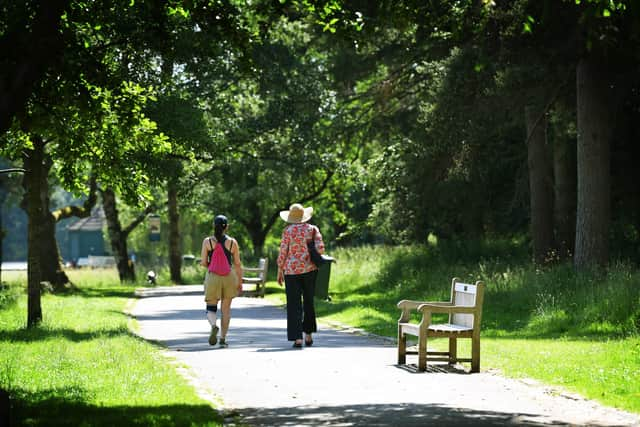
The BBC Weather forecast shows that the warmest days in the city this week will be tomorrow (August 12) and Thursday (August 13). Highs of 34C are currently predicted on Thursday.

The EA has announced that even more areas of the country have moved into drought conditions - mostly in the south of England.
The announcement came after a meeting of officials, water companies and farming leaders under the National Drought Group, which warned that all regions of the country are experiencing pressure on their water resources, with impacts on agriculture, public water supplies and the environment.
Has a drought been declared in Leeds?
A drought has not yet been declared in Leeds and Yorkshire, but the county has been moved one step closer to that stage.
The North East and Yorkshire have moved to “prolonged dry weather” status, the stage before drought, and nowhere in England is in “normal” status, the EA said.
This summer has been one of extreme heat and dry conditions, with two record-breaking heatwaves in May and June that led to the deaths of more than 2,800 people, followed by further heatwaves in July.
England had its driest July since records began in 1836, with some areas experiencing no rain for the entire month
In the latest heat spike, amber heat health alerts have been issued for most of England, with officials urging people to take simple steps to stay safe, such as drinking plenty of water, checking on vulnerable friends and family, and avoiding the sun at the hottest part of the day.
The UK is increasingly struggling with the impact of more extreme weather such as drought, heatwaves and wildfires fuelled by climate change, which is mostly caused by burning fossil fuels in power plants, in vehicles, to heat homes and for industry.
Some 45 million people are in drought-stricken areas, and 27 million customers are under hosepipe bans as rivers and reservoirs run low.
Farmers have warned of a “brutal harvest” for crops and a lack of feed for livestock, and there have been warnings of food price inflation shocks later in the year as a searing summer across Europe feeds through from fields to supermarket shelves.