
Northern Lights: Tips to spot the aurora tonight - as it lights up UK skies for the first time this autumn

Tuesday night may be your last chance to see them for some time 🔭
- A spectacular Northern Lights display was visible across much of the UK on Monday night
- Aurora sighting may be possible on Tuesday and Wednesday night too
- These have been caused by a coronal mass ejection from the sun over the weekend
- Weather conditions are likely to make seeing it tricky in many parts of the country tonight
A fiery burst of plasma from the sun has created an early autumn treat for skygazers across the country.
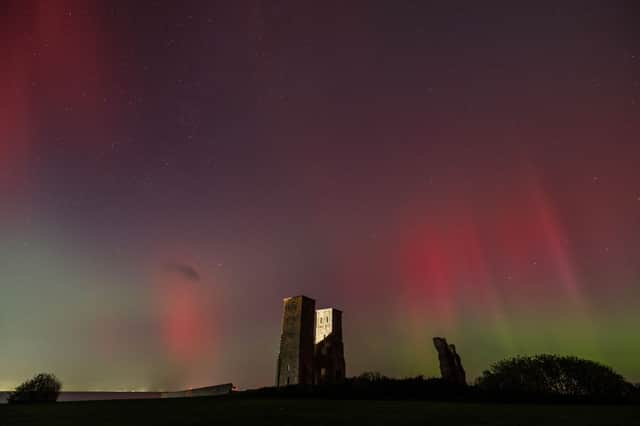
On Monday night (September 1), a colourful display of Northern Lights were spotted dancing across the night sky, with sightings from northern Scotland all the way down to Kent. The BBC reports that this is the first time they’ve been visible in autumn 2025.
Met Office space weather forecasters say the lights – also known as aurora borealis – may be visible on Tuesday night too, although weather conditions mean only a lucky few may see them. But what exactly is causing them to appear across UK skies so vividly at the moment, and what can you do to maximise your chances of catching a glimpse?
Here’s what you need to know:

What is causing the Northern Lights to appear at the moment?
This latest light show is caused by a fast-moving coronal mass ejection (CME), which left the Sun late on Saturday night (August 30). The Met office says that it finally reached the Earth last night.
A CME is a big burst of plasma released from the Sun’s corona, the outermost part of its atmosphere. These race outwards at millions of kilometres per hour, and interact with our planet’s magnetic field when they reach us. This interaction can trigger geomagnetic storms, which in turn can produce spectacular Northern Lights displays. Just how intense these are - and where exactly they can be seen - both depend on the strength and magnetic orientation of the CME, the forecaster adds, as well as local weather and light conditions.
When and where to look for them this week
Met Office space weather manager Krista Hammond said the aurora was sighted much further south than usual on Monday night. Unusually, it was also visible to the naked eye in the south, in areas where it could often only be observed through a camera lens.
On September 2, unfortunately nighttime viewing conditions are expected to worsen, the forecaster said, with cloud cover likely to get in the way a little more. Northern Scotland and the north of England are likely to have the clearest skies, although viewing conditions still won’t be ideal. Although no further solar activity is expected on Wednesday, there is still a chance of aurora sightings that night (September 3) although again, it will likely be limited to the north.
You’ll have better luck in small towns or the countryside than in cities too, thanks to a double-whammy of competing light sources. The moon is currently in its bright waxing gibbous phase, which could stop some viewers from getting a clear view - especially in places also affected by light pollution. For those further south or in urban areas, the Met office says that light pollution will play a significant role in whether the aurora will be visible.
Ms Hammond added: “While the best views are likely further north, anyone with clear, dark skies should keep an eye out. Forecasts can change rapidly, so we encourage the public to stay updated with the latest information.”
How to increase your chances of seeing them
Some of the Met Office’s tips for maximising your chances of spotting the aurora include:
- Check the local weather forecast, especially cloud cover maps for areas with fewer clouds to get in the way
- Choose a dark location away from light pollution - you might need to take a drive if you live in an urban area
- Look toward the northern horizon
- If you can’t see anything with just your eyes, try using your phone or another camera with a long exposure length to capture it
It also warned, however, that geomagnetic activity can disturb your GPS or other satellite navigation services. Nighttime temperatures are getting colder at the moment too, so be sure to dress warmly.
The night sky has a unique power to capture our imagination - and our attention. Check out this story to find out more about one interesting poll, exploring into how people across the UK say moon phases affect their sleep.