
Recent rainfall 'not enough' to raise Leeds reservoir levels, says Yorkshire Water

Yorkshire Water has issued a warning that the recent rainfall in Leeds and Yorkshire was not enough to increase reservoir levels across the region.
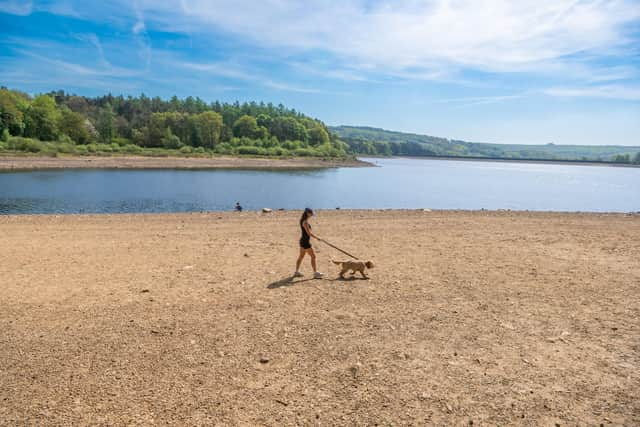
Reservoir stocks in Yorkshire have been declining since late January, roughly for 120 days, due to one of the driest springs on record, combined with increased customer demand during warmer temperatures.
Despite the much-needed rainfall, Yorkshire Water continues to urge customers to conserve water whenever possible. As of Monday, May 26, reservoir stocks had dropped to 62.9 per cent, down from 66.1 per cent the previous week, which is well below the average of 87.8 per cent for this time of year.

Water demand did decrease over the wet bank holiday weekend, falling from 1.38 billion litres on Friday, May 23, to 1.26 billion litres on Monday, May 26 - a reduction of 120 million litres, equivalent to Bradford's daily usage.
Dave Kaye, director of water at Yorkshire Water, said that the rain over the weekend, along with a forecast for an unsettled week ahead, provides welcome relief for the region after a prolonged dry spell.
He stated: “While the rainfall over the weekend helped gardens recover and benefitted trees and plants in full spring growth, much of the rain was absorbed by gardens and vegetation, reducing the amount that could run off into rivers, groundwater, or replenish reservoirs.
"Additionally, the combination of wind and sunshine has led to rapid evaporation of a significant portion of the rainfall. Soils, having been very dry after nearly four months of dry weather, will also absorb a lot of rain, preventing it from flowing into rivers or groundwater.”
Kaye emphasised that although the recent rainfall is beneficial for both the public and farmers, it does not compensate for the significant deficit experienced over the past few months or the amount of water used from reservoirs for daily supplies.
He expressed gratitude to customers who are taking steps to reduce their water usage. This collective effort, combined with the wet weather, contributed to reduced water demand over the bank holiday weekend, helping Yorkshire Water manage resources and rebuild resilience and storage within the system.
Although the increased rainfall in recent days has resulted in higher river flows, particularly in the Ure, Nidd, Wharfe, and Aire rivers, these levels remain quite small and have been declining towards historically low levels witnessed at the beginning of May.