
One in five Brits never get the opportunity to spend a full day outside


This article contains affiliate links. We may earn a small commission on items purchased through this article, but that does not affect our editorial judgement.
One in five Brits never get the opportunity to spend a full day outside due to poor weather, a lack of free time and work commitments.
A poll of 2,000 adults found 21 per cent admitted they are only able to spend a day or longer outside once or a handful of times a year – with five per cent saying they get this chance less than once in any given 12-month period.
Other main barriers to spending more time in nature were identified as a lack of time to themselves (21 per cent), working in an office (16 per cent), and childcare commitments (10 per cent).
Some factors affected some generations more than others, as significantly more Millennials (21 per cent) have their outside time impacted by the responsibilities of raising a family, whereas a higher number of Gen Zs say they’ve simply lost interest in outdoor activities (11 per cent versus seven overall), possibly because all their hobbies are based indoors (13 per cent versus 10 per cent overall).
Barriers such as these mean the average person spends just 84 minutes a day in the incredible outdoors – and are stuck inside the rest of the time. Five per cent even confirmed they spend fewer than five minutes enjoying the outdoors in a 24-hour period.
When it comes to actually seeing anything green or growing, time spent reduces further to only half an hour per day – and a significant 22 per cent have under five minutes of daily contact with nature.
Sabina Voysey, director general at The Camping and Caravanning Club, which commissioned the research, said: “Outdoor time is obviously important, but we also acknowledge how hard it can be to spend time in it due to everything else we have on our plates.
“This is one of the reasons we’re so passionate about the benefits of being able to properly switch off and reconnect with nature for longer periods.
“Which is why taking a holiday that has this built in makes it a great option to up your weekly, monthly, or yearly dose of the incredible outdoors.”
But how does your age compare to different generations when it comes to ‘touching grass’?
This interactive timeline, developed by the club, shows the exact age where hours spent outdoors tails off due to other commitments – so you can see how you’re doing for your age group.
Factors such as furthering a career, raising a family, and balancing a hectic social life all contribute to time spent immersed in nature at various points, but find out if the barriers you’ve experienced or are facing now are the same as your peers.
The most outdoorsy cohort of 25-34-year-olds are able to spend an average of 104 minutes in the fresh air per day and the highest proportion of this group (11 per cent) habitually do so for six hours or more.
Those between the ages of 45 and 54 only spend 73 minutes not stuck indoors on a typical day. Time spent outside then starts to increase again steadily when adults hit the age of 55, reflecting a return to a slower pace of life and easing of responsibilities.
But 61 per cent have aspirations to turn this around and actively make an effort to increase the time they spend in nature.
Methods they are planning to use to achieve this aim included thinking about new outdoor places they want to visit (31 per cent) or walks to go on (24 per cent), making more social plans that take place outside (25 per cent) and setting daily or weekly goals to hit (24 per cent).
One in 10 (10 per cent) are also specifically planning to take longer excursions by going camping.

The research also found which life stages have the largest impact on the time people have to connect with nature, with going into full-time work at number one (48 per cent) and starting a family coming in second place (18 per cent).
Educational milestones such as enrolling in university (11 per cent) or moving up to secondary school (12 per cent) were also mentioned.
When the 28 per cent who believe their generation spends less time outside than the previous one were asked why this is, most pointed the finger at technology As increased screen time (55 per cent), more digital, indoor entertainment options (47 per cent), and an overall overreliance on tech (48 per cent) were to blame for this perception, according to the OnePoll.com figures.
It may be this inability to switch off which has become a staple of modern life that has led some (51 per cent) to enjoy fewer extended periods outdoors, to reduce the chance of becoming distracted when they venture back inside.
Aside from being able to disconnect (41 per cent), key reasons for those who actively prefer this option were finding they are able to relax more (54 per cent), properly immerse themselves in nature (38 per cent), and explore new places (38 per cent).
Sabina Voysey, for The Camping and Caravanning Club, added: “It’s such a shame that we don’t get more opportunities as a nation to get outdoors and re-connect with nature.
“It’s understandable given the pace of life most people have, with multiple commitments on their time.
“But I think all can agree when you do find that motivation to disconnect and breathe in the fresh air, it can’t be beaten.”

Plant-based ready meals have come a long way from the bland reputation they once had, and services such as Grubby are leaning into meals that look more like comforting weeknight dinners than traditional ‘healthy eating’ options.
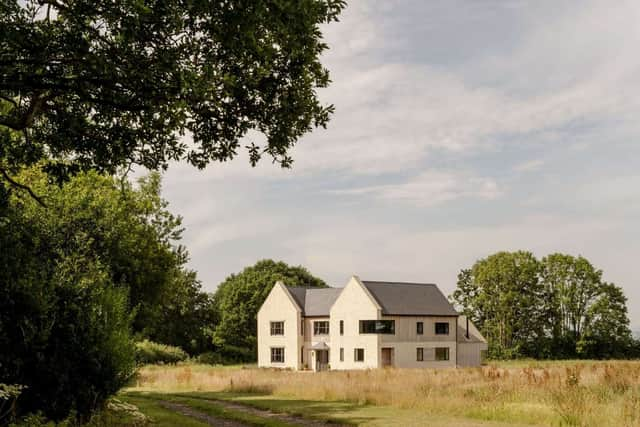
🏡 A new charity prize draw is offering the chance to win a £2.5 million home set in more than 7.5 acres of Dorset countryside near Shaftesbury. The five-bedroom house is fully furnished and designed to be energy self-sufficient, with solar panels, batteries and an air-source heat pump. Stamp duty and legal fees are included, and entrants can choose to support partner charities when buying tickets. 🌿
If you’re worried about how gambling makes you feel, you can find free, confidential advice, tools and support, by visiting GambleAware or contacting the National Gambling Helpline, available 24/7, on 0808 8020 133