
Six in 10 over 65s are already worrying about catching flu from A&E trips
A survey has found six in 10 over-65s are already worrying about catching the flu or COVID-19 when visiting A&E this winter.
Despite temperatures still soaring, six in 10 over 65s are already sweating over the thought of ending up in A&E this winter due to the risk of catching the flu or COVID-19.


A survey of 1,509 adults aged 65+, and 1,500 unpaid carers found 75 per cent of the latter group would also feel anxious about going to the emergency room in the colder months due to the risk of contracting a respiratory disease.
This worry has already led to behaviour changes, as 18 per cent of older people avoided going to A&E during winter last year due to these concerns, while an even higher number of carers (44 per cent) reported doing the same for someone they support.
However, the research commissioned by a healthcare company found 80 per cent of older adults and 88 per cent of carers said reliable, accurate testing would make them more confident seeking emergency care.
This sentiment is supported by experts, who are pointing to accurate diagnosis as a key tool for easing pressure on services and protecting the most vulnerable, as NHS trusts set out plans for another challenging winter.
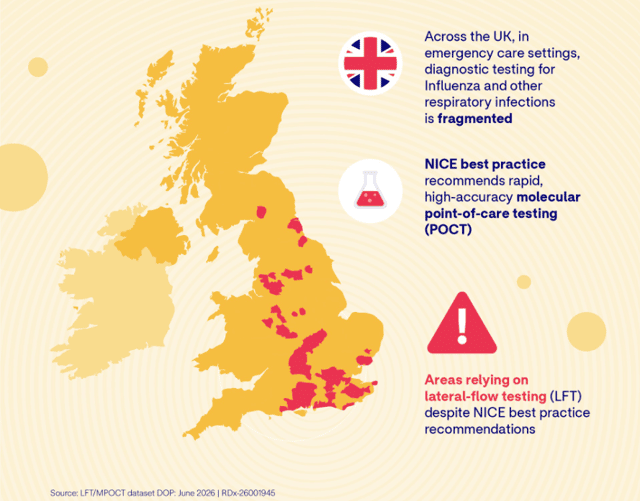
In emergency departments, NICE-recommended rapid molecular point-of-care testing is the gold standard for timely, accurate diagnosis of respiratory infections. Yet across the UK, diagnostic approaches remain fragmented and inconsistently aligned to NICE best practice, with wider use of lateral flow testing in emergency settings.

Peter Hollely Robins, a senior nurse in emergency care and a lead advanced clinical practitioner, said: “Every winter hundreds of elderly and vulnerable people access urgent and emergency care services, and we do everything we can to provide the best possible care.
“However, I see the impact of diagnostic delays and the uncertainty it can cause adds pressure for colleagues, patients and their families and for everyone in the waiting room. Getting the respiratory diagnosis right, and quickly, is not optional. It’s essential to protecting the most vulnerable when the system is under the greatest strain.
“While lateral flow tests play a role in early-stage screening in community settings, they are not intended for use in emergency settings as they aren’t always as sensitive as other diagnostic options. Over-reliance on them can contribute to additional confirmatory steps and slower patient flow during peak winter periods.”
Data published by the UK Health Security Agency shows that influenza alone was linked to nearly 8,000 deaths in winter 2024–25, with flu activity higher than the previous year, a clear signal to act early ahead of winter 2026.
With winter planning underway across the NHS, there is an opportunity to strengthen preparedness by prioritising diagnostics which align to NICE best practice and support timely, confident decision-making.
Peter Hollely Robins added: “With stories of corridor care in the media, I’m not surprised that there are anxieties around emergency departments. This can influence how quickly people choose to attend and we do often see people present late in their illness when their symptoms are more severe.
“In the context of an ageing population, the elderly are most at risk as they do not want to make a fuss, which is why reducing delay and uncertainty in emergency care matters so much.
“Having fast and reliable diagnostic information is essential to helping clinicians act quickly, support patient flow and protect older and vulnerable people during the busiest winter periods.”
Dr Ian Higginson, president of the Royal College of Emergency Medicine, said: “Corridor care, which is one of the most visible results of long stays in Emergency Departments, has become the defining image of the NHS under winter pressure, but it is not safe, dignified or inevitable.
“We should not be in a position where the people who most need emergency care are the ones least likely to seek it. Supporting clinicians with the tools to make timely, confident decisions is critical to improve flow and protect patient dignity when services are most stretched.
“It is also important that patients believe we are doing everything we can to reduce the risks associated with overcrowded emergency departments, and as such, the right decisions about reducing harm for patients need to be taken as soon as possible.”
Rachel Power, chief executive of the Patients Association, said: “Patients have a right to receive care that respects their dignity, privacy and safety, particularly when they are unwell and at their most vulnerable.
“No one should be made to feel anxious about accessing urgent treatment because they are worried about long waits or being cared for in inappropriate settings. The next phase of NHS winter planning is already under way and the decisions made in the next few months will shape how prepared we are when pressure peaks.
“It is essential that efforts to improve patient flow and reduce delays remain focused on ensuring people receive timely, compassionate care in environments that meet their needs and uphold their dignity.”