
Cheapest smart thermostats: save money on heating this autumn


This article contains affiliate links. We may earn a small commission on items purchased through this article, but that does not affect our editorial judgement.
Energy bills are climbing again, but you don’t have to pay top dollar for smart heating. We’ve tracked down the cheapest thermostats that still do the job
This week saw the last 8pm sunset of the year, and overnight temperatures are starting to regularly dip into single figures. The slow descent into the colder months has begun.
And while we could certainly be blessed with some more warm days, the fact that we're going to have to turn our heating on soon is inevitable.
Sadly, energy prices have already gone up again over the summer, and they're likely to increase again in the coming months, so saving money on heating costs is going to be high on people's agendas this autumn and winter.

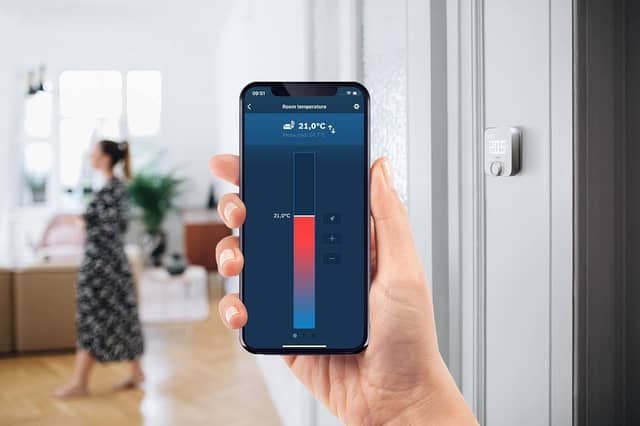
And one of the easiest ways to do that is to smarten up your central heating. Smart thermostats are the first line of defence, because they can curate a more intelligent pattern and ensure you're never wasting energy.
Some energy firms estimate a smart thermostat can save between £40 and £140 per year, depending on how they're used, so it's an investment that won't take long to pay back.
Especially considering the fact that there are some hefty pre-season discounts to be found, like these savings on Amazon.
The two big players in the world of smart thermostats are Hive and Google Nest. These are tried and tested units found in thousands of homes, and they work very well - but they're pricey.

At the moment, a Google Nest Learning Thermostat costs £188.97 on Amazon, while Hive's Nano 3 is discounted by 23%, but still £144.90.
There is a cheaper way. Tado, a well-established brand in the smart heating sector, already offers cheaper alternatives to Google and Hive, but it has some very tempting deals on Amazon right now.
For example, you could save 36% on the wired version of its Smart Thermostat X, which is now £99.99 rather than £159.99.
The wireless version isn't too much more, either, at £126.40 thanks to a 15% discount.
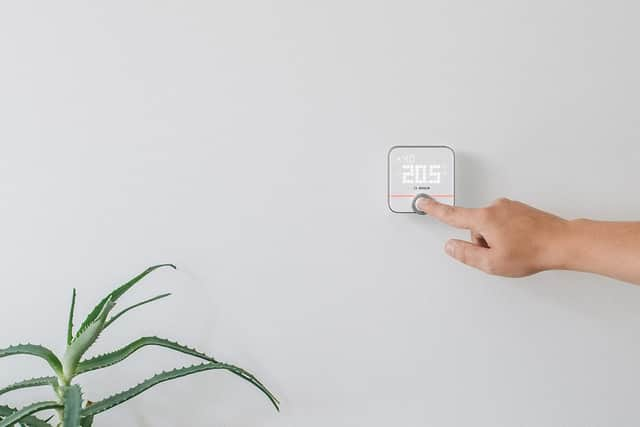
Both of these devices have basically the same functionality of the Google and Hive thermostats, but they're much cheaper.
If you wanted to bring the price down even further, have a look at this Bosch Smart Home Room Thermostat II, which is 15% cheaper right now, down to just £59.99.
Or if you're after the cheapest smart thermostat out there, there's a Meross Smart Thermostat priced at just £47.91, thanks to a 20% saving.
Be ready for professional installation costs
An important consideration when choosing any smart thermostat is the installation. It's not too difficult, and the apps that accompany the devices walk you through it, but you will be handling live wires, so there are some incredibly important safety steps to follow.
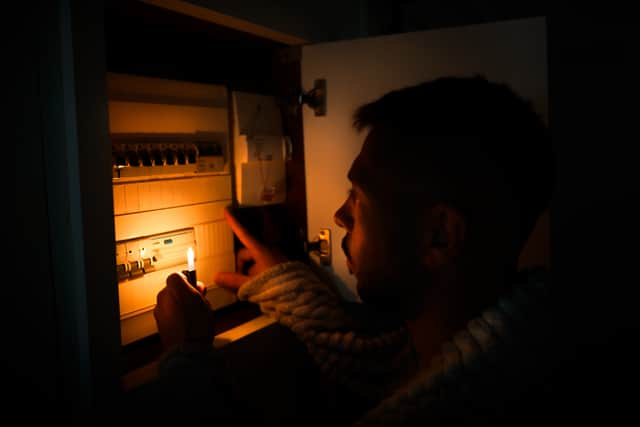
If you're not 100% confident you'll be able to isolate your electricity supply to your old thermostat, or if you feel even slightly uncomfortable taking the job on yourself, call in a professional. It shouldn't be too expensive.
Five top tips to get the best savings out of your smart thermostat
1. Learn your household’s routine
Most smart thermostats can “learn” when you’re home or away. Take the time to set schedules that match your lifestyle so you’re never heating an empty house.
2. Use zoning if available
Some systems let you control different rooms separately. No point heating the spare bedroom or hallway if you’re tucked up in the living room — zoning keeps you cosy where it matters and trims wasted energy.
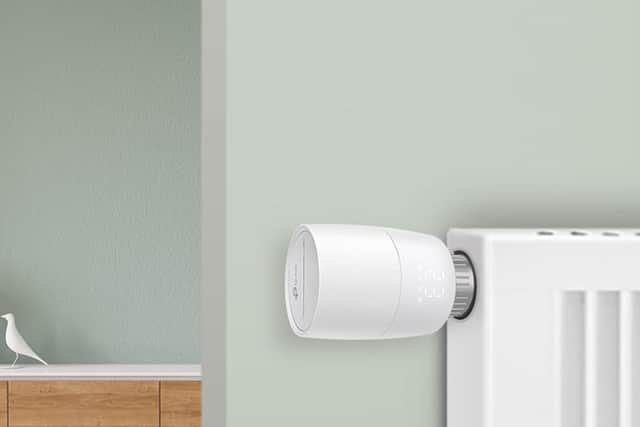
Consider investing in smart radiator valves to create an entire smart ecosystem. Here’s a bargain example from TP-Link.
3. Don’t keep fiddling
It’s tempting to nudge the temperature up and down constantly, but smart thermostats are designed to run best with consistent schedules. Let it do the thinking, and you’ll usually save more.
4. Take advantage of geofencing
Many apps use your phone’s location to detect when you’re heading home and warm things up in advance. That way you step into a cosy house without wasting energy while you’re out.
Most smart thermostats give usage reports. Check them monthly to spot patterns (e.g. “heating always spikes on Sunday mornings”) and adjust accordingly.
Little tweaks can add up to big savings.

With household expenses continuing to rise and energy bills still higher than pre-crisis levels, more people are turning to Utility Warehouse (UW) to save money. UW lets you bundle services like broadband, mobile, energy and insurance into one streamlined account—reducing hassle while unlocking multi-service discounts. The more you bundle, the more you save.
Customers benefit from a single monthly bill, up to £400 towards early exit fees, and access to cashback on everyday spending. UW also offers the UK’s cheapest variable energy tariff when bundled, helping shield households from further price hikes.

If you’ve ever broken down and had no idea how to explain where you are, the AA app quietly fixes that. It can share your exact GPS location with a patrol so they know where to head without a long phone call. The rest of the app is straightforward, with traffic updates 🚦, fuel and charger info ⛽, and service reminders 🔧. Membership starts from £5.49 a month, though the exact price varies depending on your details.