

Leeds may be a modern, bustling city, but some of its oldest buildings have been standing for centuries.
From grand estates to tucked-away historic gems, buildings across Leeds offer a glimpse into a city whose story stretches back long before it received its first city charter in 1626.
As Leeds continues to celebrate 400 years since that landmark moment this year, it is a good time to look back at some of the places that have survived the centuries and remain part of the city today.
Here are 10 of the oldest buildings that have survived for hundreds of years.
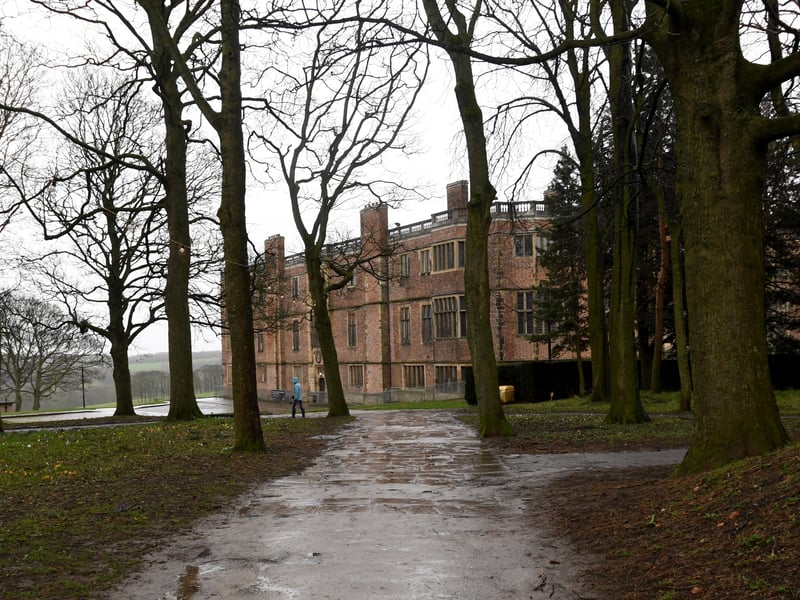
1. Temple Newsam House
It needs little introduction as one of Leeds' most prominent buildings. Temple Newsam is a Tudor-Jacobean house with grounds landscaped by Capability Brown. In the Domesday Book of 1086, the manor is listed as Neuhusam (meaning new houses) and was held by Ilbert de Lacy and his sons. | YEP
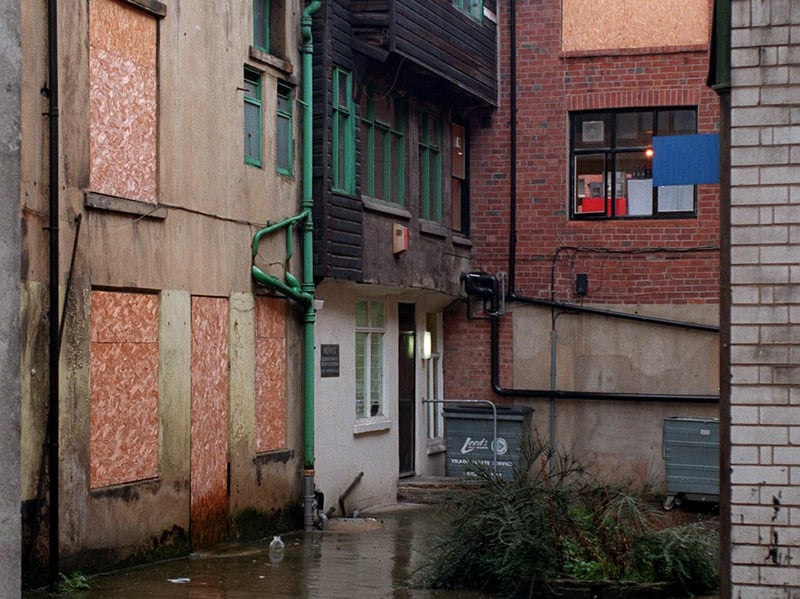
2. Lambert’s Yard
Lambert’s Yard, sometimes known as Lambert’s Arcade, contains the last three-decker house in the city. The building was put up around 1600 as a ‘little mansion’. | Keith Lawson
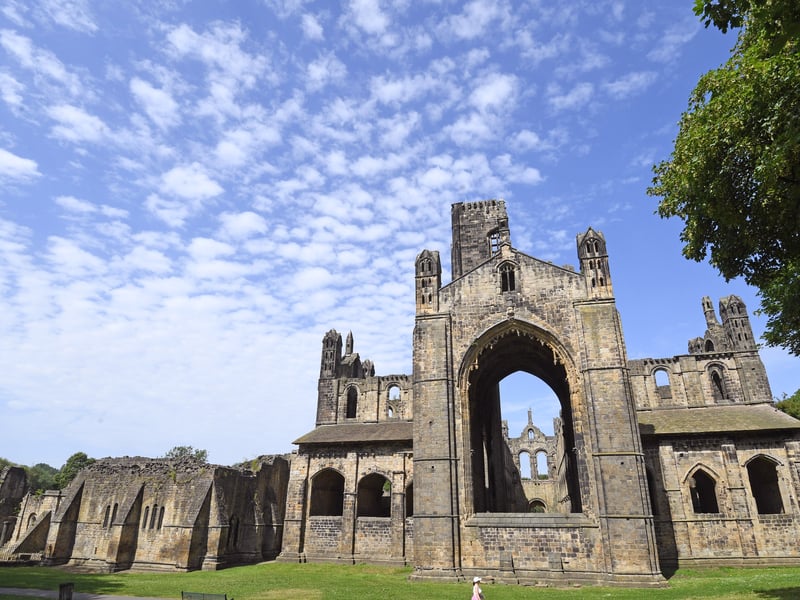
3. Kirkstall Abbey
This ruined Cistercian monastery is set in a public park on the north bank of the River Aire. It's believed to have been founded in 1152 and was disestablished during the Dissolution of the Monasteries under Henry VIII. It was acquired by the Leeds Corporation as a gift from Colonel North and opened to the public in the late 19th century. | Gerard Binks
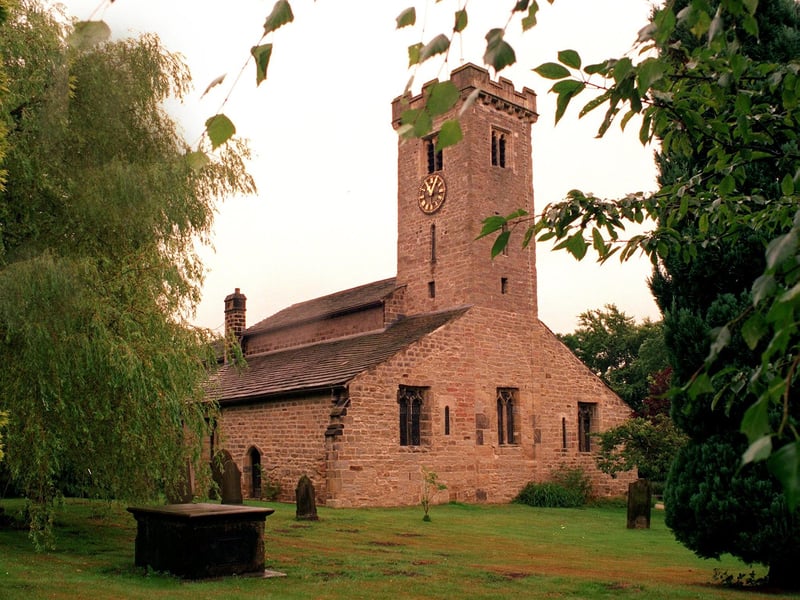
4. All Hallows Church, Bardsey
The tower is the oldest part of this village church in Bardsey and dates back to somewhere between 850 and 950 AD. | YEP
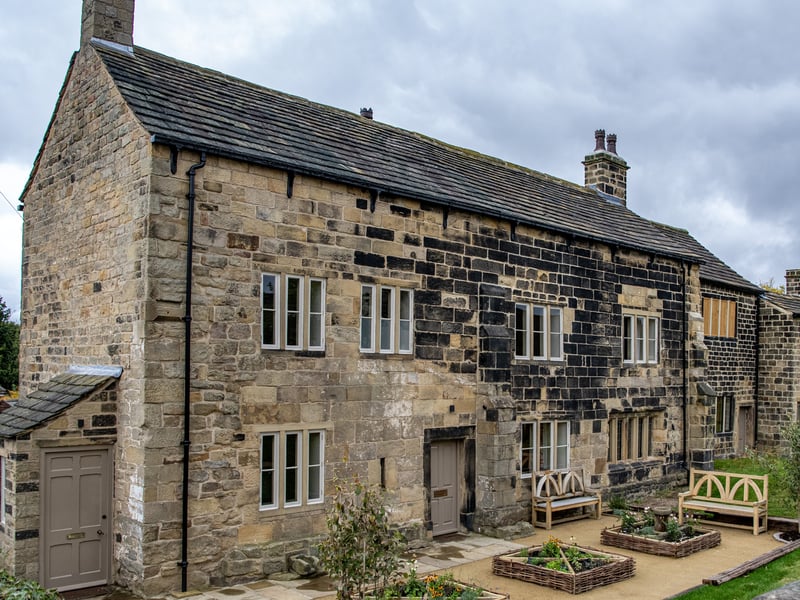
5. Calverley Old Hall
Calverley Old Hall is a medieval manor house with Grade I listed building status dating back to the 12th century. It has now been restored as a holiday let. | Tony Johnson

6. Stank Hall
Stank Hall on Dewsbury Road was built in the late 15th century for the Beeston family. It has been listed as Grade II by English Heritage since October 1951. Immediately to the north stands a Grade II listed barn of the late 15th to early 16th century that was also built for the Beeston family and was acquired by the Hodgson family in the 17th century. | Jonathan Gawthorpe