
12 famous mascots and logos you may remember from the 60s, 70s, 80s, 90s and noughties that have disappeared

They were some of the most recognisable characters and logos of their day
- From laughing robots to singing raisins, these were once some of the most popular mascots and logos
- They were the figureheads of major companies, including fast food giants, toy sellers and car manufacturers
- These characters and designs could once be spotted everywhere, but they are rarely, if at all, seen today
How many of these old mascots and logos do you recognise?
They were hugely popular in their day, serving as the faces of some of the UK’s best-known companies and appearing in much-loved adverts during the 60s, 70s, 80s, 90s and noughties.
But they have all been retired for various reasons, either because they have become dated or because the firms they represented have collapsed.
In many cases, the logos and mascots that replaced them have not proved nearly as popular.
Ronald McDonald
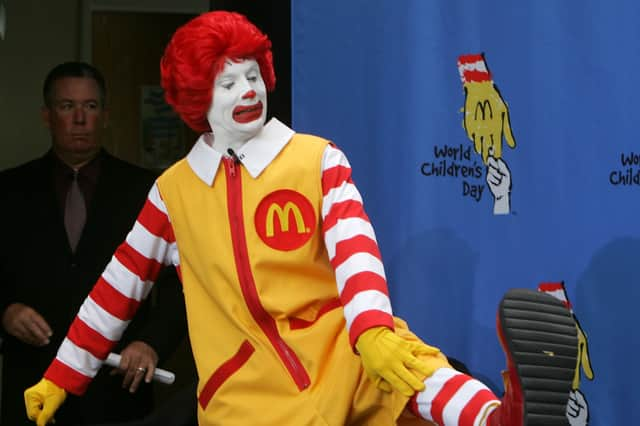

Reports of Ronald McDonald’s death have been greatly exaggerated, but the fast food giant’s famous figurehead is much less visible these days.
He was quietly retired from the front line of the firm’s advertising campaigns following a series of ‘creepy clown’ sightings in 2016.
The longstanding mascot has not withdrawn from public life completely, but the trend for evil clown figures in horror films and elsewhere means he is seen as a less cuddly character than when he was first created.
There have also been concerns about how appropriate it is to have a clown as a fast food mascot targeting young children.
Smash Martians
These extra-terrestrial robots starred in a series of adverts promoting Smash instant mashed potato during the 70s and 80s.
From their home planet Mars, they watched humans on Earth preparing mashed potato the traditional way, laughing at them for using such a laborious process when a quick and easy alternative existed.
Featuring the catchphrase 'For Mash Get Smash’, they were voted Campaign magazine’s TV adverts of the century.
Bisto Kids first appeared in 1919 as a boy and girl in ragged clothing who would catch the scent of the famous instant gravy on the breeze and longingly exclaim: “Ah, Bisto!”
They continued to promote the brand down the decades, in various forms, until the 90s, when they last appeared.
Geoffrey the Giraffe
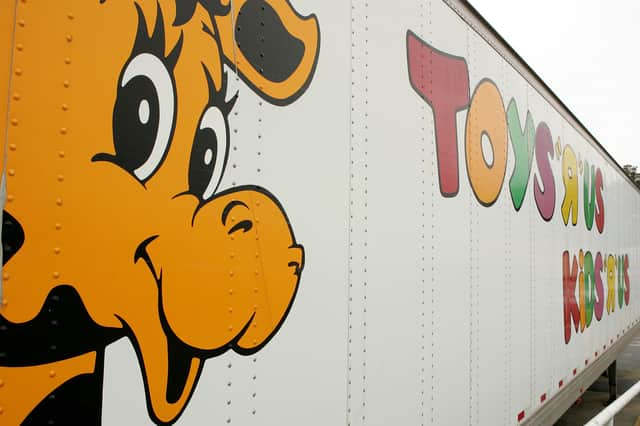
This familiar mascot began life as Dr. G. Raffe in the 1950s. His name changed and his look evolved over the years as he became one of the most recognisable children’s characters.
He disappeared from screens and billboards in the UK when Toys ‘R’ Us closed all its UK stores in 2018 after the retailer collapsed into administration.
This animated music group was created to promote Sun-Maid Raisins and proved more popular than anyone could imagine during the 80s and 90s.
The claymation rhythm and blues band, voiced by Buddy Miles, first performed Marvin Gaye’s I Heard it Through the Grapevine, before covering a number of other classics.
World Cup Willie
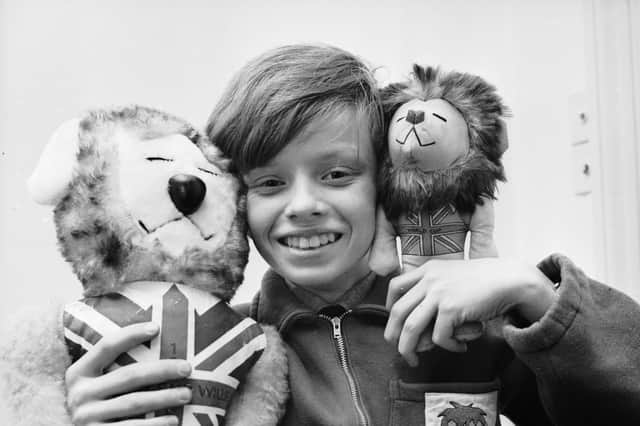
This leonine trendsetter was the first official World Cup mascot and one of the first for a major sporting competition of any kind.
World Cup Willie, a lion wearing a Union Jack jersey, roared England to victory during the 1966 tournament.
Wooly and Worth
This cheeky duo were introduced to the world in 2003, as Woolworths launched a new campaign with the tagline ‘let's have some fun’.
Wooly, a sheep, and their sheepdog friend Worth may not have been universally loved by adults but their playful antics made them a big hit with children.
They even had their own range of goods, from cuddly toys to hot water bottles and key rings.
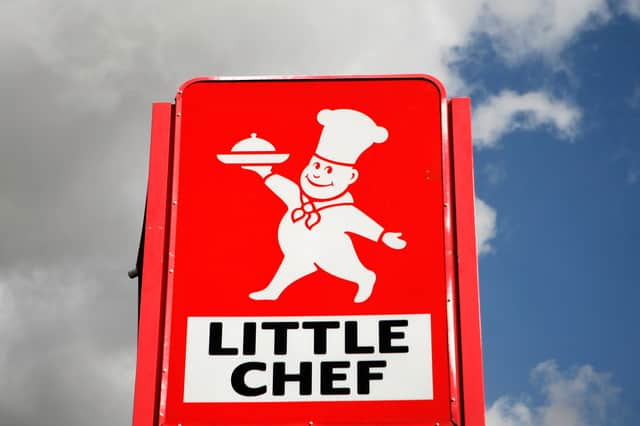
Fat Charlie was the face of Little Chef, the famous chain of roadside diners found at motorway rest stops across the UK, for many years.
In 2004, the restaurant chain announced it was changing its logo to feature a slimmed-down version of its famous figurehead, which it claimed had become ‘a little bit dated’. But this plan was quickly dropped after prompting a deluge of complaints from customers.
He couldn’t save the firm from going into administration in 2007, however, with the chain itself slimming down over the following years before the last branches closed or were converted in 2018.
BT Piper
This BT logo, featuring a blue and red figure playing the flute, was first adopted in 1991, when BT changed its name from British Telecom.
It survived until 2003 when it was replaced by the multi-coloured circle design which itself was scrapped for today’s plain logo, featuring the letters BT inside a circle.
Hulabaloo and Custard
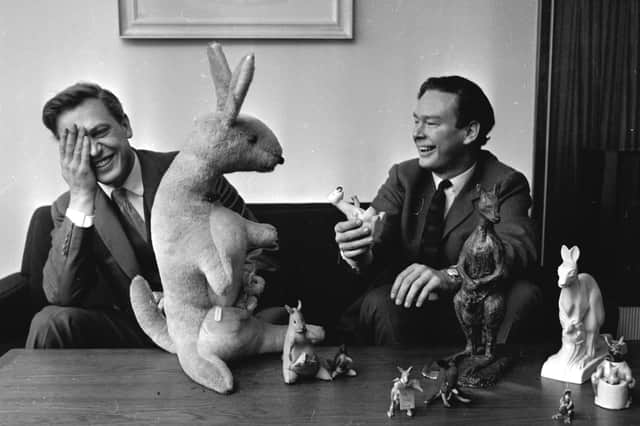
How many of you remember this pair bouncing into our lives to help promote the launch of the UK’s third television channel, BBC Two, in April 1964?
Hullabaloo apparently represented the existing station, BBC One, while her joey, Custard, represented the newcomer. Custard’s name was chosen as the BBC said ‘everything goes with custard’.
A real kangaroo was reportedly booked to appear in the studio for the BBC Two launch night, only to get stuck in a lift during a power cut which delayed the new channel’s start by a day.
Leyland logo
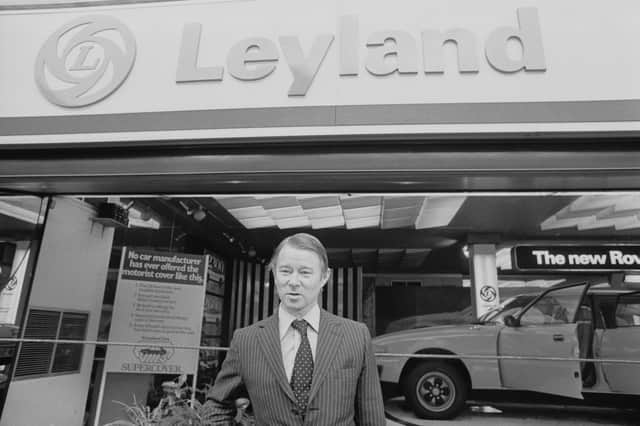
This fallen British manufacturing giant was once one of the biggest names in the automotive industry.
Its logo was in the shape of a hubcap, with the letter L in the centre.
Leyland Motors started out making lorries, buses and trolleybuses, before moving into the car market, acquiring the famous firms Triumph and Rover.
British Leyland, as the firm became known, was later broken up, and the vehicle brands, including Rover, MG, and Mini, were sold off.
Midland Mainline logo
This train operating company, owned by National Express, ran the Midland Main Line franchise for just over a decade, between 1996 and 2007.
The firm, which ran services between London and East Midlands and Yorkshire, featured a leaping stag logo, representing the East Midlands countryside.
Which old mascot or logo do you miss most? If you enjoyed this article, you might like this look back at famous high street chains which are now struggling or defunct.