
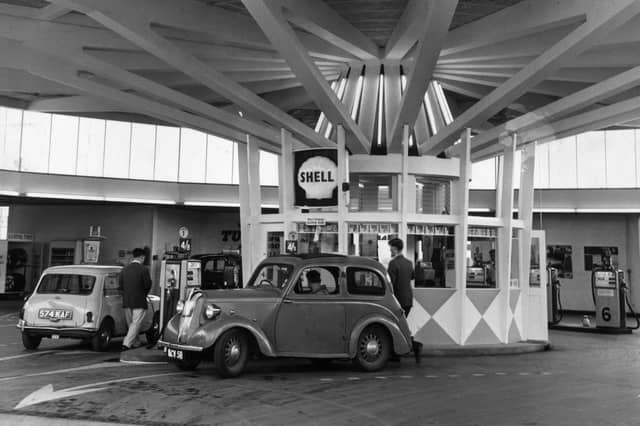


But what are the biggest changes, from the cost of filling up to the rise of road rage and the evolution of the cars we drive?
We’ve looked back at official records from 1960 to the modern day to chart how motoring in the UK has altered over the decades.
Driving test pass rates, petrol prices and the number of cars on the road are just some of the things we’ve compared, based on official statistics.
Many of the changes have been for the better - like the introduction of seatbelts, which only became mandatory for all passengers in 1991.
But others are less welcome, including one modern bugbear people find particularly irritating and is a leading cause of road rage.
We’ve also pulled together some of the best retro photos to transport you back to the 1960s and what it was like driving on the UK’s roads then - including one showing a jubilant John Lennon celebrating passing his test with his fellow Beatles.
Do you remember the days when there was no speed limit on the nation’s motorways, and would you rather be driving today or back in the 60s? Let us know in the comments section below.
7. Road rage has got worse
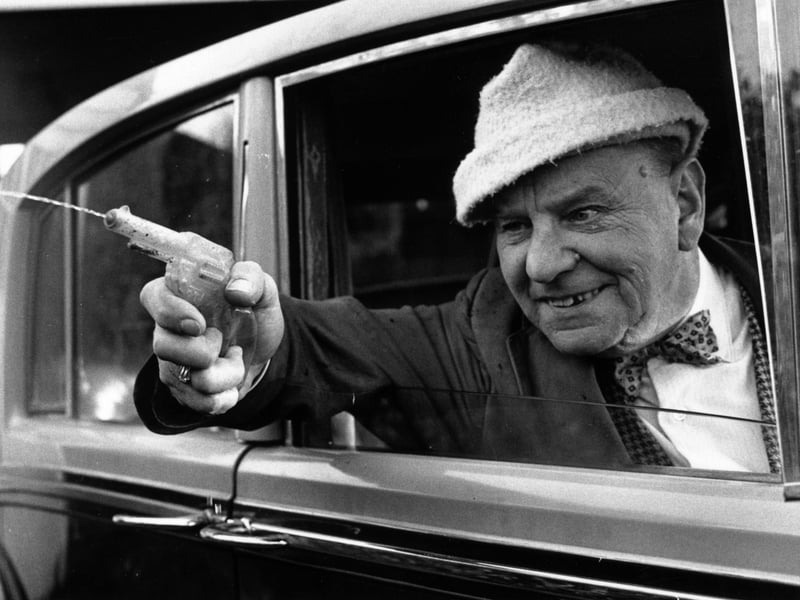
Road rage was not even a thing in the 1960s, or not by name, at least, with the term first coined in the 80s. Yet in 2022, a survey by Compare the Market found that more than two in three UK drivers had experienced road rage. Motorists' biggest bugbears included failure to indicate, tailgating, driving too slowly and hogging the middle lane. | Getty Images Photo: Charles Black/BIPs

8. Motorways are much busier
The UK's first motorway opened in Preston, Lancashire, in 1958, but by 1969 there were 1,000 miles of motorway stretching across the country. Expansion continued and, as of 2023, there were 2,300 miles of motorway in the UK. The first motorways had no speed limit, with the 70mph maximum only introduced in 1965. The introduction of motorways helped to cut journey times, but they have become increasingly congested. An estimated 70.1 billion vehicle miles were completed on Great Britain's motorways during the 12 months to March 2024 - more than a fifth of the total 332.4 billion vehicle miles travelled on the nation's roads in total that year. | Getty Images Photo: Evening Standard/Hulton Archive
9. Cars are much more affordable
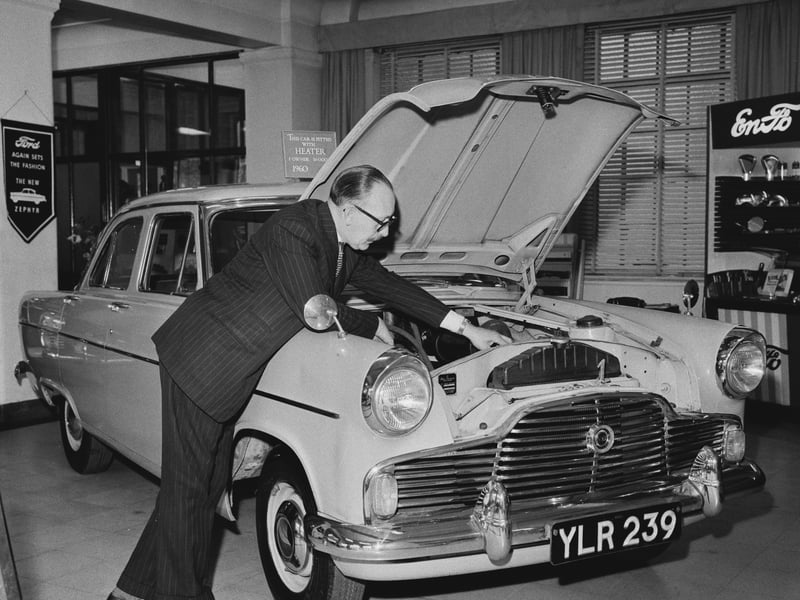
This might surprise some younger drivers, given how much cars cost today, but they are much more affordable than they were in the 60s. A study by the car manufacturer Mini found that the average car in 1959 cost £780, which was more than three times the typical annual disposable income back then. By comparison, in 2018 a car cost £18,139 but this was only 88% of people's annual disposable income. | Getty Images Photo: Evening Standard/Hulton Archive