
'It's about balance': How Temple Newsam Is balancing history, sustainability and the future
How Temple Newsam Is balancing history, sustainability and the future.
Heritage is written into every inch of Temple Newsam, from its sweeping parkland to the carefully shaped views that have defined it for centuries.
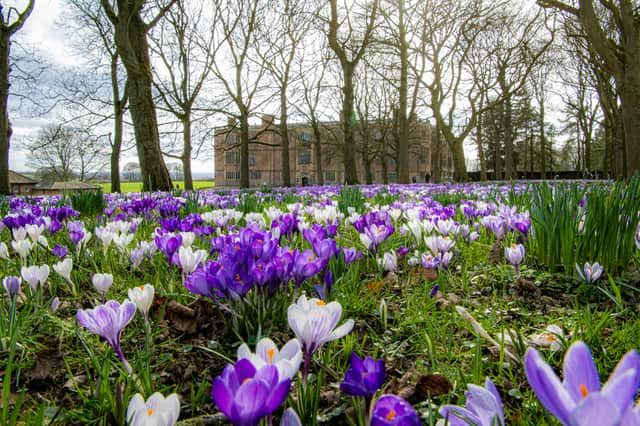

But for Maria Akers, Senior Estates Manager, heritage is not just about preservation; it is about keeping those stories alive and relevant.
Maria, who oversees the outdoor elements of both Temple Newsam and Lotherton Hall, is responsible for everything from farmland and landscape to cafés, shops and visitor spaces.
It is a role rooted in balance, between protecting history and ensuring it continues to resonate today.
That balance begins with listening.
“It’s about listening to people and what they want, and understanding the stories they want to hear,” said Maria.
“Then you try to make active connections between the past and the present.”
At Temple Newsam, those connections are often grounded in everyday life.
“People were eating in the past, and people in the future will be eating,” said Maria.
“So we can talk about past farming techniques, but link that to relevant issues today like sustainability and food security.
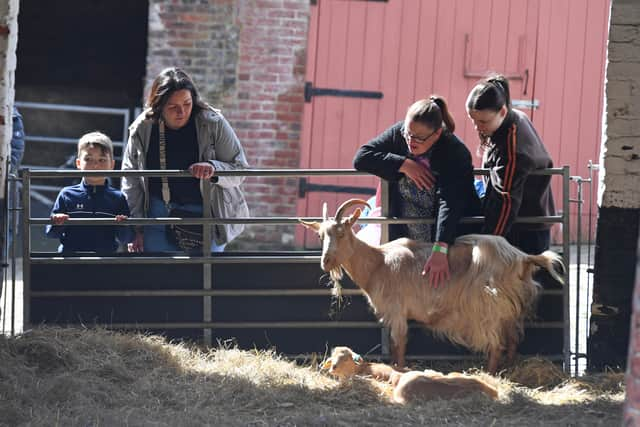
The landscape itself tells one of the estate’s most powerful heritage stories.
Shaped in part by Capability Brown in the 18th century, it remains central to the identity of the estate. Yet it is not fixed in time.
“There’s no one particular period that’s preserved outdoors,” said Maria.
“It’s about understanding what’s important, whether that’s nationally, locally, or unique to Temple Newsam, and using that to guide what we do.”
That process is rarely simple.
She said: “You might have trees blocking views that were really important in the 18th century.
“But it’s also important for sustainability that we retain trees. So it’s about balance.”
Even arriving at the estate offers a reminder of that layered history.
“When I arrive at work and look up the East Avenue and see the sun rising, that’s pretty spectacular,” said Maria.
“That one amazing straight line has been kept in the landscape.”
Challenges remain, particularly around funding and resources.
She said: “There’s a multitude of things you can spend money on, and we have to spend it wisely.
“And there’s also a shortage of traditional craft skills, which are really important when you’re caring for historic buildings.”
Yet heritage here is not only about preservation, it is also about adaptation.
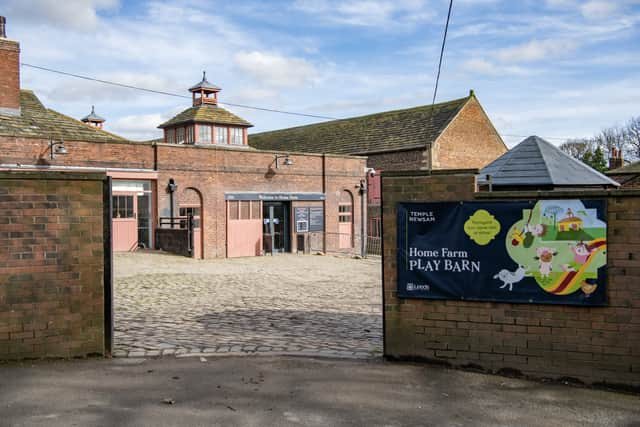
One project Maria highlights is the transformation of a 1920s dairy building into a modern play barn. Once falling into disrepair, the structure has been carefully restored while given a new purpose.
She said: “We managed to create a modern facility inside, but retain the character of the building.
“Where possible, doors and windows were repaired, and where they couldn’t be, they were replicated.”
Even the building’s distinctive features have been reimagined.
“The climbing frame goes right up into the ventilation turrets, so children can look out over the whole landscape,” she said.
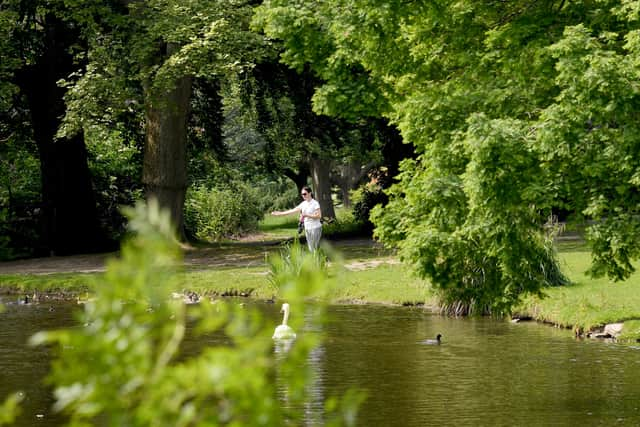
For Maria, projects like this reflect what heritage should be, alive, evolving and accessible.
Events and exhibitions play a key role in that, drawing in new audiences and encouraging them to engage with the estate in different ways.
“They encourage people to come who might not otherwise visit,” said Maria.
“And once they’re here, it’s about helping them see what else is here for them.”
Ultimately, the importance of places like Temple Newsam goes beyond bricks and mortar.
Maria said: “Understanding your past helps you with the future. It’s a shared background, and it helps link people to the past, present and future.”
Looking ahead, her focus is on continued conservation and investment.
“A major conservation project would allow us to repair and restore heritage, but also provide opportunities for training in traditional skills,” she said.