
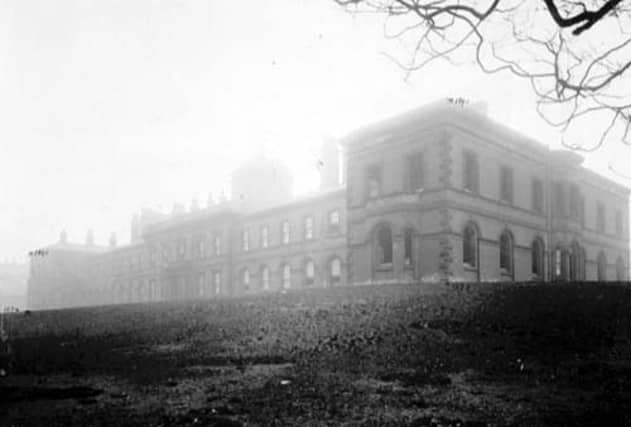


Before health care became the responsibility of government, local or national, charities made some provision for medical aid. A house of recovery would take in victims of infectious diseases. In the 19th century as population increased, the insanitary overcrowded living conditions contributed to outbreaks of disease. The larger house of recovery seen here - Beckett Street (Hospital) was built in 1846, in what was then a rural area. Patients were brought in were isolated. This photo is one of 15 charting a year in the life of Leeds in 1905, a year which your city was building for the future. The images are published courtesy of photographic archive Leodis, which is run by Leeds Library & Information Service. They also run heritage blog The Secret Library Leeds, which provides a behind the scenes look at the Central Library and highlights from its special collections, including rare books hidden away in the stacks. READ MORE: 16 evocative photos showcase a corner of Leeds which time forgot LOVE LEEDS? LOVE NOSTALGIA? Join Leeds Retro on facebook YEP RETRO NEWSLETTER: Sign up for our free monthly email digest of Leeds nostalgia
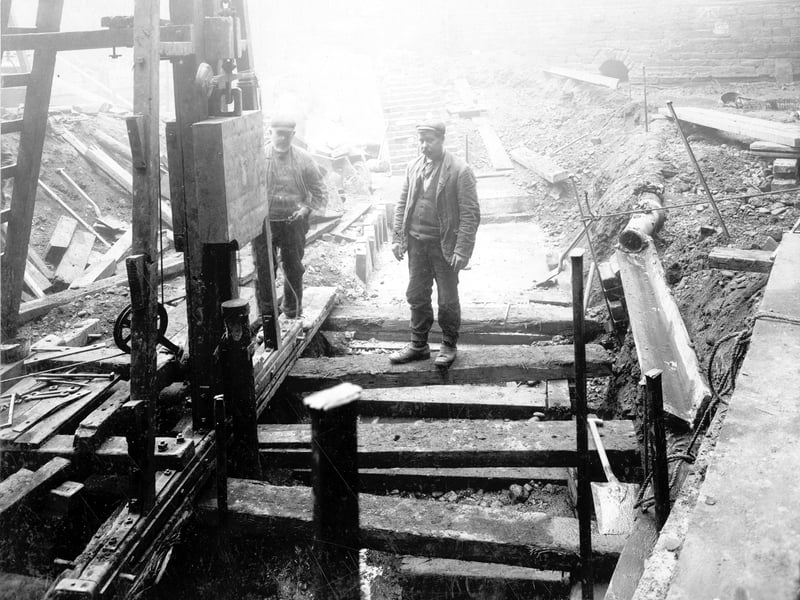
7. Leeds city centre
Driving equipment and workmen at Bondman's Weir. taken during the construction of retaining wall for Swinegate Goit in October 1905. | Leeds Libraries, www.leodis.net Photo: Leeds Libraries, www.leodis.net
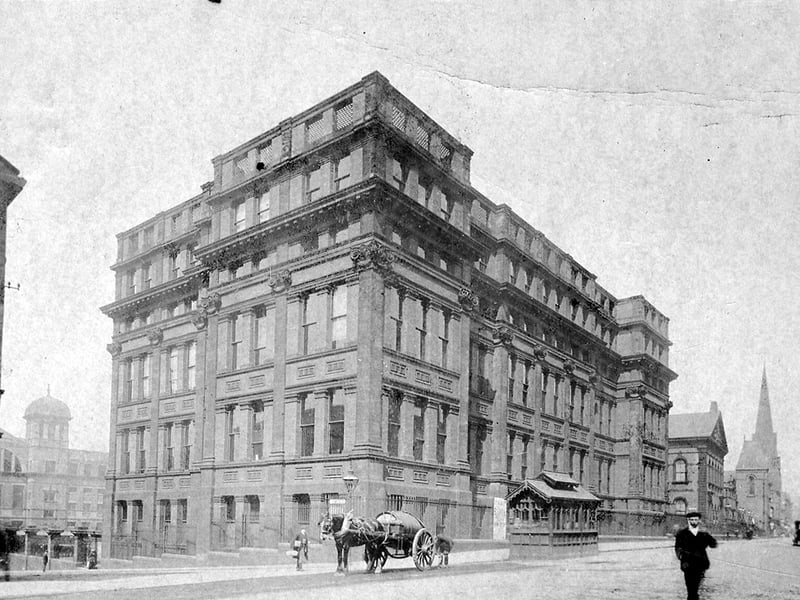
8. Leeds city centre
A postcard view from July 1905 of Central Higher Grade School at the corner of Woodhouse Lane and Great George Street. This school opened in 1885 in the school-room of Oxford Place Chapel before moving to these premises in 1889. Old maps and directories tell us that around 1906-7 it became known as Leeds Central High School, then c1928 another name change saw it become City of Leeds School. However, sometime between 1940 and 1945 the name reverted back to Central High School and it remained under this name until 1972, when the school amalgamated with Thoresby School for Girls to become City of Leeds School once again. | Artemis, Leeds City Council Photo: Artemis, Leeds City Council
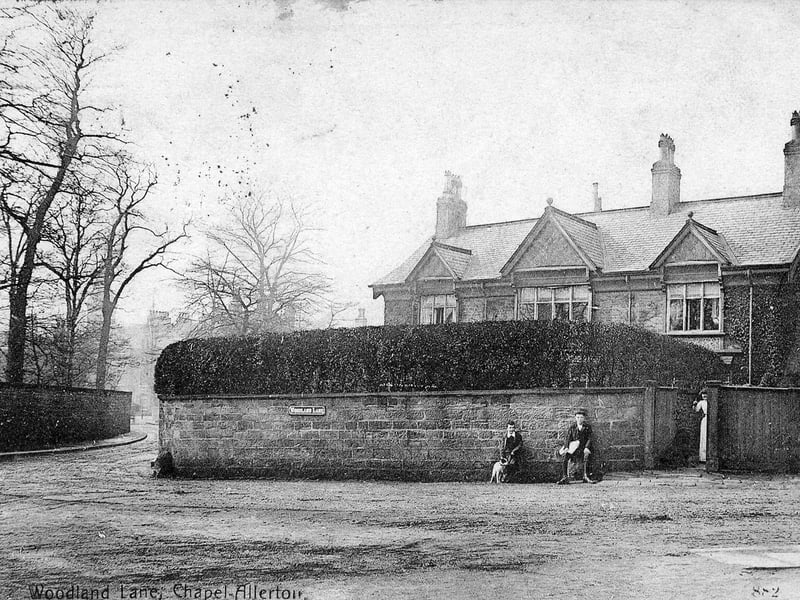
9. Chapel Allerton
A postcard view of Woodland Lane with a postmark of July 10, 1905. Church Lane is on the left with the old St. Matthew's Church just visible behind the trees. The building on the right surrounded by a walled garden is known as The Rookery. | Artemis, Leeds City Council Photo: Artemis, Leeds City Council
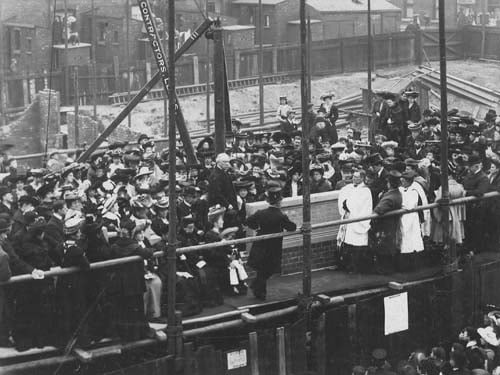
10. Harehills
Laying of the foundation stone in May 1905 of the Clayton Memorial Hall on Elford Place, next to St Aidan's Church. The hall was dedicated to William Wikeley Clayton (1848-1901) who was the managing director of Hudswell Clarke and Co. and the foundation stone was laid by Lord Allerton. | Leeds Libraries, www.leodis.net Photo: Leeds Libraries, www.leodis.net
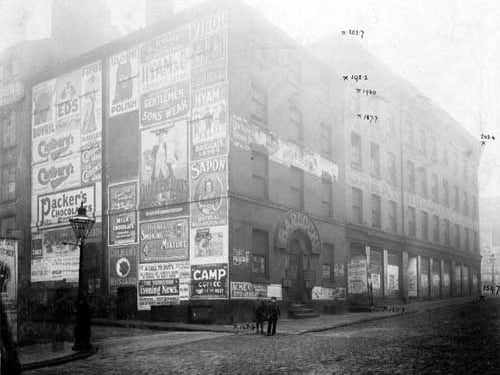
11. Leeds city centre
A row of four-storey buildings run along Guildford Street. Barlock is closed, as is Taylors to the right. The entire side of the corner building is covered with billposters. Pictured in December 1905. | Leeds Libraries, www.leodis.net Photo: Leeds Libraries, www.leodis.net
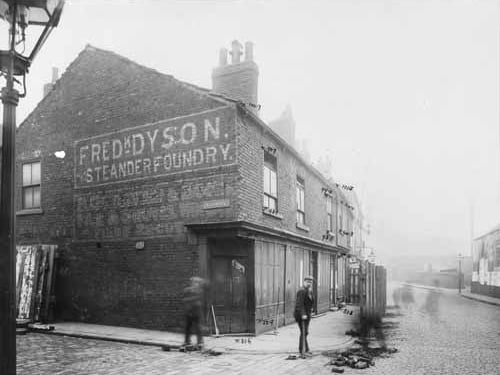
12. Bank
East Street, on the right, by the junction with Steander. A notice for Frederick Dyson's Steander Foundry is seen on the wall of the building on the corner. This was situated further along Steander off the picture to the left. The area was scheduled for improvement and the buildings pictured were due to be demolished. Two workmen can be seen. Pictured in April 1905. | Leeds Libraries, www.leodis.net Photo: Leeds Libraries, www.leodis.net