
Waterloo: The story of a lost Leeds village

It’s the lost Leeds village which time and mother nature has tried to erase.
Yet look closely enough hidden in the undergrowth in a quiet corner of south Leeds and evidence of it still exists today.
Waterloo was a 19th-century, purpose-built pit village located between the River Aire and the Aire and Calder Navigation near Rothwell.
The village, also known as Newmarket, was built in 1821 to house Waterloo Colliery workers.
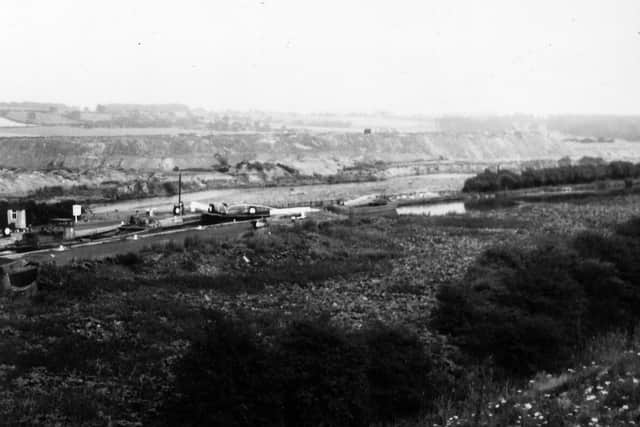

Maps from the 1850s show two main streets, a village square - sometimes called Irwin Square - a small grocery shop, and a school.
As the colliery wound down, the village became derelict, with most structures gone by the 1890s and fully demolished around the turn of the 20th century.
Today, very little remains due to the construction of the M1 motorway, railway bridges, and industrial development. A crumbling wall from the old school has been identified near the former Waterloo Bridge site.