

It's the Leeds suburb which boasts a rich seam of history and heritage with king coal. The black gold has been mined in Rothwell since the mid 1800s. Fanny Pit off Bullough Lane was the last of the collieries owned by the firm of J. J. Charlesworth until the nationalisation of the mines in 1948. It produced coal from 1867 until its closure on December 9, 1983. It became known as the Fanny Pit in 1911, when a new shaft was sunk at the Midland pit, and was named after a daughter of the Charlesworth family. There was also 'Rose Pit' and 'Jane Pit' named after two other daughters. Another new shaft was sunk in 1922 to improve ventilation. Pit ponies were used for haulage and there were 160 stabled at Fanny Pit in the early 1920s. The last one gained its freedom in 1972 and retired to live on a farm. Two years after Fanny Pit ceased production the buildings underwent demolition and the shafts were capped. These wonderful photos, published courtesy of photographic archive Leodis, which is run by Leeds Library & Information Service, showcase the faces of the miners who risked their lives down the decades. READ MORE: The story of a lost Leeds village LOVE LEEDS? LOVE NOSTALGIA? Join Leeds Retro on facebook YEP RETRO NEWSLETTER: Sign up for our free monthly email digest of Leeds nostalgia
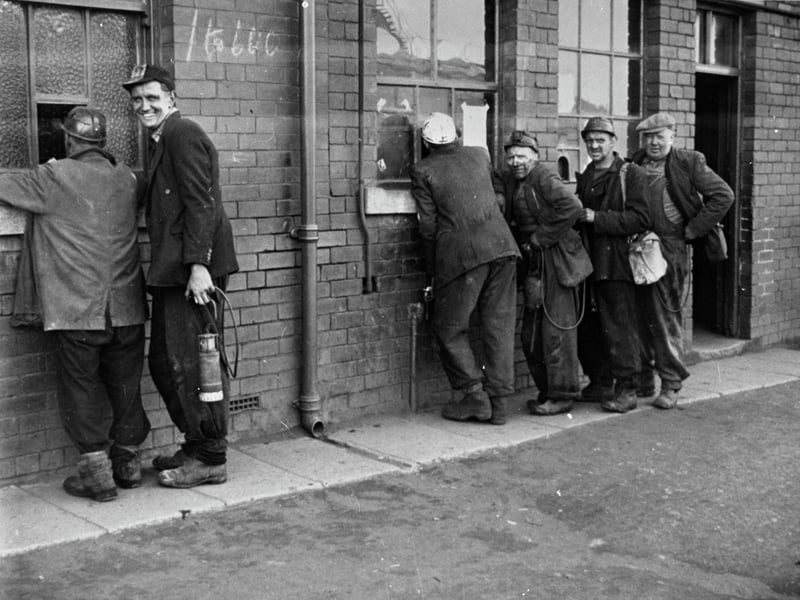
1. Fanny Pit
Miners are pictured circa 1950s collecting their wage tally from the first window, allowing them to draw their wages from the second window. | Leeds Libraries, www.leodis.net Photo: Leeds Libraries, www.leodis.net
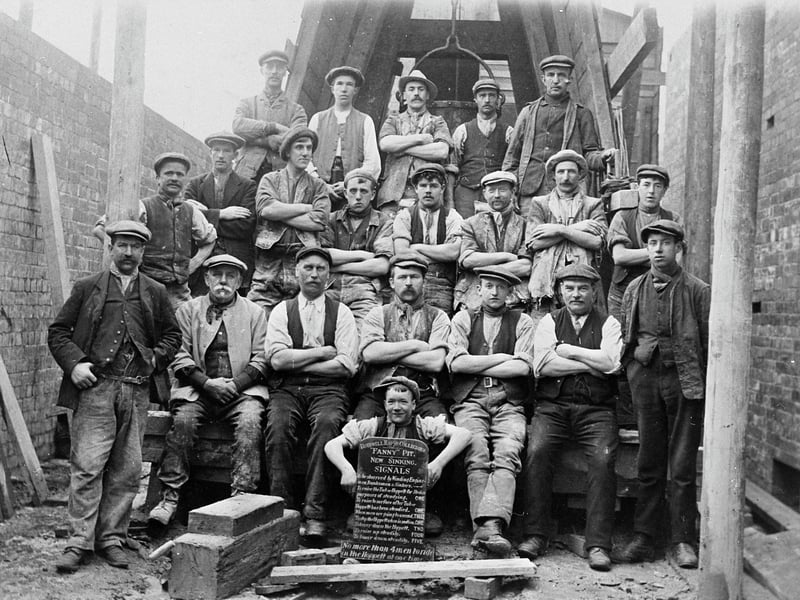
2. Fanny Pit
A group of workers employed in the sinking of a new shaft in 1911. The old shaft was kept open for ventilation, with an additional ventilation shaft sunk in 1922. The boy seated at the front is holding a board giving the signals for raising and lowering the tub, or hoppett. | Leeds Libraries, www.leodis.net Photo: Leeds Libraries, www.leodis.net
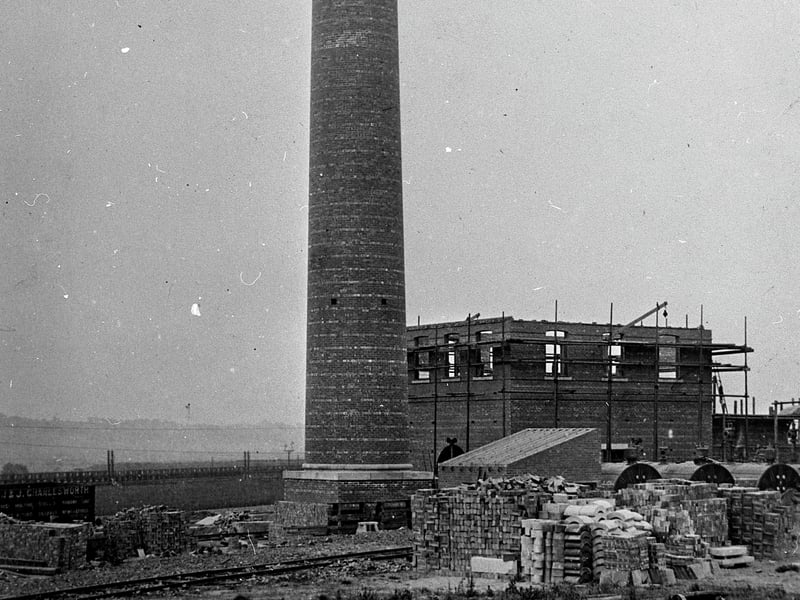
3. Fanny Pit
The chimney pictured around the time the new shaft was sunk in 1911. To the right of the chimney is the engine house under construction, and below that can be seen the tops of the Lancashire boilers used to create steam power for the building work. | Leeds Libraries, www.leodis.net Photo: Leeds Libraries, www.leodis.net
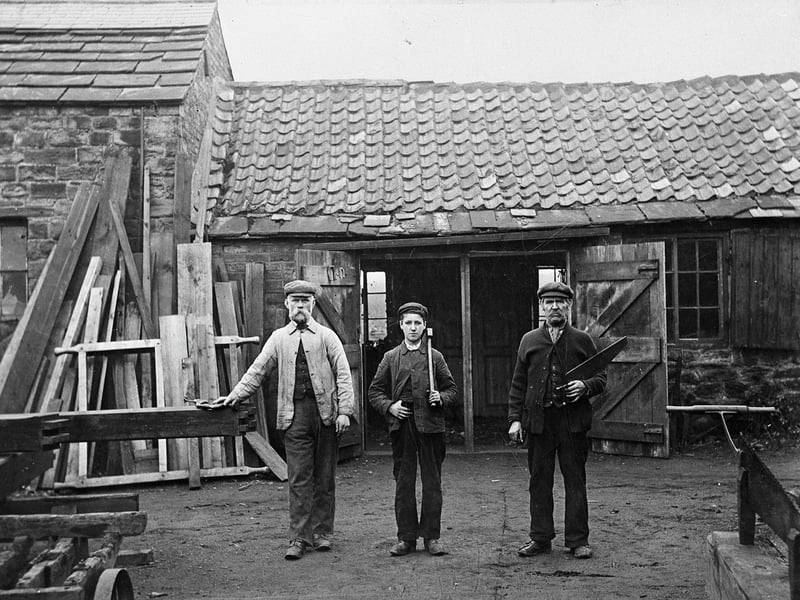
4. Low Shops Pit
The joinery shop at Low Shops Pit in 1902. From left are William Hartley, head carpenter and wheelwright, his grandson Hartley Banks, and nephew Joseph Chadwick. | Leeds Libraries, www.leodis.net Photo: Leeds Libraries, www.leodis.net
5. Fanny Pit
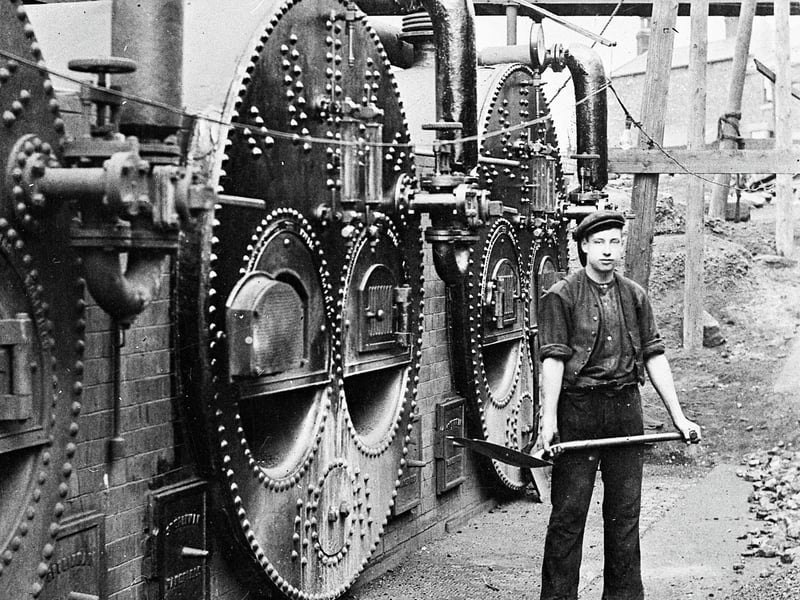
Mr Ingham stoking the Lancashire boilers providing steam power for the construction of Fanny Pit circa 1910. The Lancashire Boiler was invented by William Fairburn in 1844, and was a fire tube boiler with two separate side-by-side furnaces, as seen here. | Leeds Libraries, www.leodis.net Photo: Leeds Libraries, www.leodis.net
6. Low Shops Pit
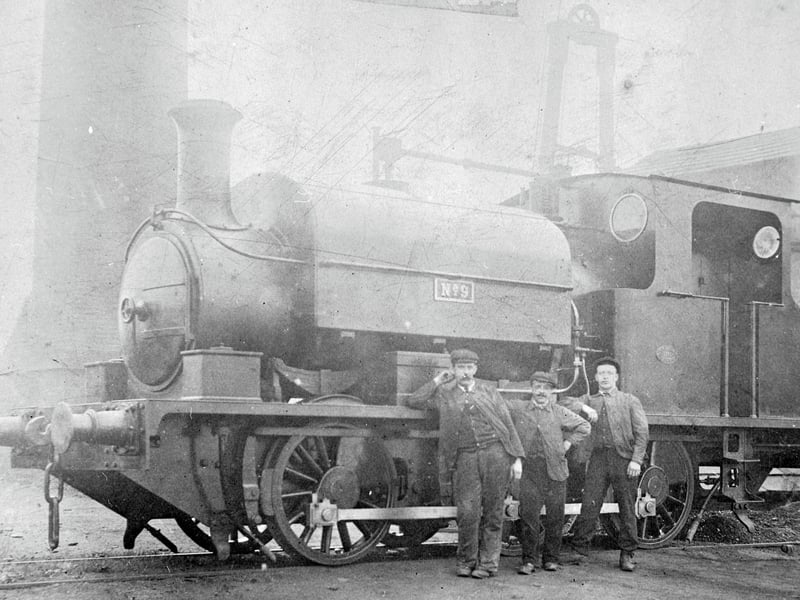
Steam locomotive No.9 at Low Shops Pit, together with the crew; the driver is thought to be Basil Abbishaw. The pit chimney can be seen on the left, and the winding gear on the right. The line operated between the railway junction at Robin Hood, up to the coal depot at Stourton. Loco No.9 was known to be still working at Fanny Pit 25 years later. Pictured circa 1910. | Leeds Libraries, www.leodis.net Photo: Leeds Libraries, www.leodis.net