
Super League grading timetable confirmed: here's when top-flight clubs for 2026 will be revealed
The clubs playing in Super League next season will be confirmed this week.
The RFL say the latest club grading scores will be announced at 10am on Thursday, October 16. The top 12 on that list will secure a place in the elite competition and receive a full share of central funding. The panel formed to consider applications for Betfred Super League membership and the possible expansion to a 14 teams will announce its decision 24 hours later.
Grading, part of the sport’s long-term strategic partnership with IMG, measures clubs across five pillars: fandom, performance, finance, facilities and community. Seven clubs received the 15 points needed for an A grade - guaranteeing Super League status - when indicative scores were announced two years ago. That increased to nine clubs when the system came on line 12 months ago.
The RFL today revealed 13 clubs have improved their overall score this time, three of them by a full point or more. Super League recorded an aggregate attendance of more than 1.62m, a record for a 12-team competition and the average gate exceeded 10,000 for the first time in the summer era. Seven of the 13 Betfred Championship clubs had an increase in their average attendance year on year and League One crowds were up by seven per cent on the 2024 figure.
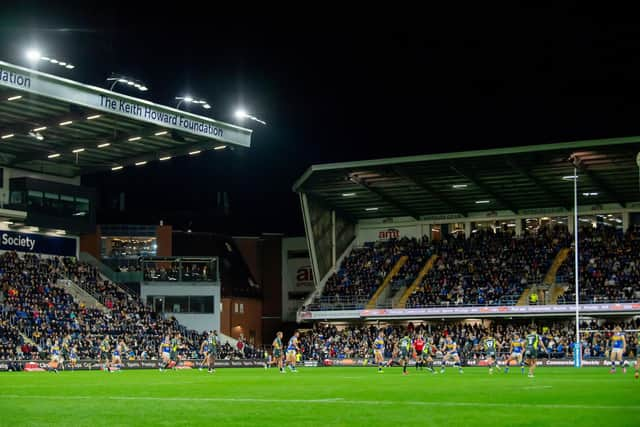

The official average viewing figure across Betfred Super League fixtures shown by Sky Sports and BBC Sport was up 50 per cent year on year and digitally 19 clubs achieved growth of 10 per cent or more year on year. The total number of social media followers across all clubs reached 4.53m, up 18 per cent from 2024 and 29 per cent from 2023.
In the finance pillar, 15 clubs improved their score and 11 improved their non-centralised turnover score, indicating increased revenue opportunities. In facilities, 18 clubs now meet Super League minimum standards, four more than last year and in terms of community, 31 clubs now have a Foundation as a registered charity.
RFL chief executive Tony Sutton said: “Rugby league broke new ground for British sport when club grading was introduced as part of ‘reimagining rugby league’ and IMG’s long-term strategic partnership with the sport. It had six stated aims: driving clubs to grow their fanbases, better engage with their fans, grow their top-line non-centralised revenue, generate greater investment in the club and the sport, be run in a best-in-class way and ensure strong governance is in place. The steady increase in scores across the majority of pillars, despite an increase in some thresholds, shows club grading is delivering against those objectives.”