
Animal Farm Leeds Playhouse review: Brutal and unrelenting Orwell adaptation is theatrical triumph

In the stark, cold world of Leeds Playhouse’s adaptation of Animal Farm, there is no room for sentimentality.
Metal cages, harsh glass panels and a towering glass box on stilts dominate the stage - a sterile, oppressive construct from which the powerful survey the suffering of those below.
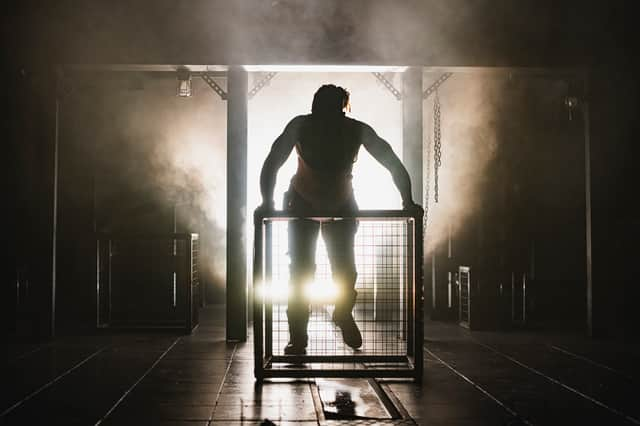

It is a stunningly effective piece of staging - while those in control occupy the glass fortress, the animals exist in filth and squalor beneath, clawing and wheezing through a brutal existence.
From the opening moments, the physicality of Tatty Hennessy’s production is nothing short of astonishing. The cast hurl themselves into their roles with animalistic ferocity, creating a living, breathing menagerie that is as unsettling as it is thrilling.
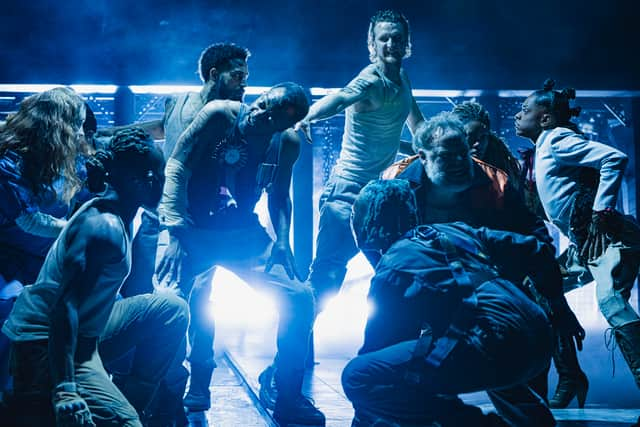
The pigs rut and wrestle in the trough, snouts in the filth. The horses scoff and sneeze with a heaviness that feels unbearably real. The donkey’s laboured wheeze is haunting. Every movement is carefully considered, the performances so intensely physical that the efforts of the cast bleed into the audience.
Nowhere is this commitment to movement more evident than in the stunning slow-motion fight sequences, which bring an undeniable cinematic quality to the production. When the animals rise up against their oppressors, it is a moment of horror and beauty, choreographed with technical brilliance.
Each sickening blow lands with clarity, each movement infused with desperation. They are breathtaking and precise set pieces that elevate the production beyond theatre into a more visceral experience.
While George Orwell’s Animal Farm has long been recognised as a tale of power, corruption, and betrayal, this adaptation appears to draw sharp inspiration from the current political climate.
But at times, I found myself thinking of the BBC’s The Traitors - as paranoia festers, the players launch into vicious, fruitless campaigns to root out disloyalty. Whispered accusations become shouts across the farm and comrades turn on one another in a ruthless fashion.
It’s an insidious shift familiar to anyone who has read the book, but is played here with such authenticity that it feels almost too close to home. The audience is complicit in the game, powerless to intervene as alliances crumble.

Perhaps the most chilling aspect of this production - which has been nominated for an Olivier Award - is its handling of the infamous commandments.
The slow erosion of the farm’s founding principles is masterfully executed - and as the commandments shift, a vast banner descends from above, words scribbled out, amendments pinned over them in what appears to be blood.
It is a simple but devastatingly effective prop. And by the time the final commandment - ‘Some animals are more equal than others’ - is revealed in all its damning glory, the audience is left in stunned silence.
Then comes the climax - a moment of such grotesque brilliance that it is impossible to look away. As the pigs finally make their deal with the human farmers, Napoleon (Tachia Newall) and Squealer’s (Tom Simper) bodies contort and convulse, twisting into something no longer quite pig, not quite man.

It is an image of pure horror, their grotesque transformation into their former oppressors reaching its sickening conclusion. Napoleon’s trotter, shaking and trembling, reshapes itself into a hand, digits unfurling with unnatural precision as he extends it in a handshake.
The performances across the board are exceptional, but particular praise must go to Tom Simper, the actor portraying Squealer, whose odious, insidious presence slithers through every scene. With a sickly smile and unrelenting enthusiasm, Squealer manipulates and gaslights with terrifying ease.
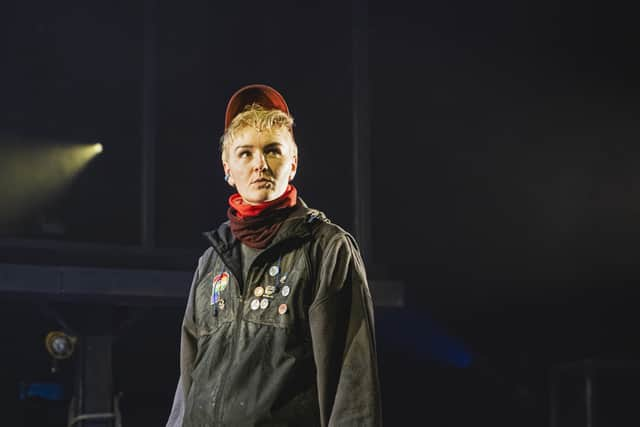
Yet for all its darkness, the play does allow for moments of levity, provided in large part by a scene-stealing cockerel (Em Prendergast). Arriving in between scenes on a tiny scooter, she delivers breathless, gossipy narrations of the previous events with flair.
But make no mistake - director Amy Leach’s brutal, unyielding production is not for the faint of heart. It is bloody and violent, leaving a very bitter taste that lingers long after the curtain falls. Yet it is epic, brilliant and terrifyingly relevant.