
I survived the era of Indie Sleaze: here's what we were bopping to in the '00s scene

What were we all listening to back in the era now referred to as ‘indie sleaze’?
- It was a period in the new millennium that is looked back fondly for its hedonism and aesthetic.
- Now referred to as ‘indie sleaze,’ the term is a catch-all to describe the fashion, culture and music released around that period.
- Benjamin Jackson looks back at the genres that made up the scene, and some essential listens from that world.
It’s become the catch-all term to describe the music scene that unfolded at the turn of the millennium, where jeans were super tight, hair coiffed quite high, and style icons ranged from Karen O and Faris Badwan to the cast of Skins and even Noel Fielding.
We didn’t have a name for it back then, but we were familiar with the notions of scenesters, hipsters, ‘The Hoxton Massive,’ and everything else that comprised that decadent, hedonistic era of music, fashion, and culture. But these days, that zeitgeist is commonly being referred to as ‘indie sleaze.’ It does feel quite apt, being a bit more of a social person during those university years.
The term was coined in 2021 by trend analysts and creators on social media. A popular Instagram account, @indiesleaze, launched around this time and was a major force in defining the aesthetics many of us were already familiar with. Searches on Google for "indie sleaze" spiked in early 2022, confirming its newfound popularity and catching on as a way to categorise and romanticise the pre-social media aesthetic of the 2000s.
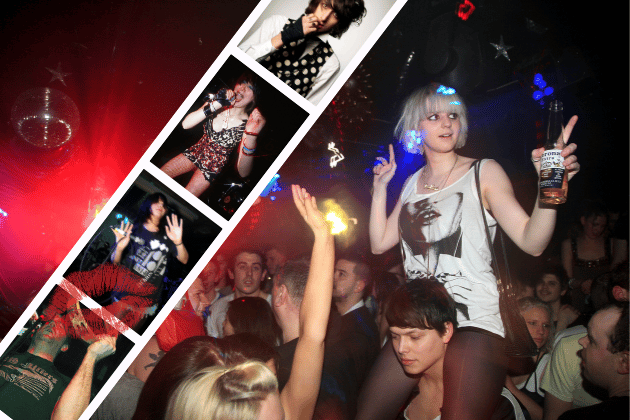

Gen Z, who were too young to participate in the original scene, began to rediscover the fashion, music, and photography of the era on platforms like TikTok and Tumblr. The term provided a concise and evocative label for this messy, hedonistic, and unfiltered vibe. It became a catch-all because it perfectly encapsulates the entire subculture—the music, the grimy photography, the fashion, and the overall chaotic attitude—all in one phrase.
Though it would appear that most of the scene took place in London, there were quite a few areas outside of the capital that embraced the scene, especially around University areas where Scream bars would open up their function rooms for weekly club nights. If you were a student in Lincoln at the time, you might fondly remember Fat Poppadaddys each Monday at Po Na Na’s—and probably seen this mess stumble on the slippery dance floor more than once.
London seemed to be the epicentre of the movement though; White Heat at Madame Jojo’s in Soho, Trash at The Plastic People and later The Key, and of course Shoreditch’s finest, The Old Blue Last, which eventually ended up with Vice Magazine taking over its ownership and becoming, well, the ‘indie sleaze clubhouse.’
But the term, being a catch-all after all, doesn’t quite demonstrate just how varied the music scene was back then, with many genres either emerging or at the height of their popularity (and due a comeback, let’s be honest). So what were the genres that defined indie sleaze, and what were we all listening to getting up to mischief back in the day?
What genres comprised ‘indie sleaze’
Dancepunk/Discopunk
Quite possibly the cornerstone genre at the time, though there is some very fierce competition as you’ll find out, a lot of the sights and sounds that people remember fondly about the era of indie sleaze emanated from the dancepunk, also known as discopunk, scene. Rooted in the late ‘70s and ‘80s and drawing inspiration from post-punk acts at the time (more on that to follow), it combined the raw, hedonistic energy of the punk movement with the rhythm pulses of disco, funk and dub.
The result saw something that was both at times aggressive and danceable, while at other times introspective and downbeat. Essentially, it ticked all the boxes when it comes to a night out - the stunning highs in the club, the quirky post-pub return home, and the Sunday morning from hell dealing with a hangover. Just a hangover, mind you (mums are reading after all). Bands like LCD Soundsystem and !!! (Chk Chk Chk) perfected the sound, blending repetitive, groovy basslines with jagged guitar riffs and often deadpan, ironic vocals.
They used elements of early electronica and drum machines to create a sound that was both artful and perfectly suited for a chaotic dancefloor. The genre served as a crucial bridge, bringing indie rock kids into clubs and electronic music fans to live band shows, defining the hedonistic club culture of the era.
- Essential listening: CSS, The Rapture, !!!, Death From Above 1979, Hot Hot Heat
Electroclash/Electrosleaze
Electroclash was born out of a rebellion against the overly serious electronic music of the late 1990s. The genre looked back to the sounds of 1980s synth-pop, new wave, and early industrial music, but infused it with a decidedly modern, often provocative, and deliberately kitschy aesthetic.
It was a fusion of raw electronic beats, cold synthesisers, and vocals that were often deadpan, robotic, or sexually explicit. The "sleaze" in the name wasn't an accident; it was a celebration of low-fidelity cool and trashy, dancefloor hedonism, and the genre’s visual style was as important as its sound.
Artists embraced a look that was part disco glitter, part punk aggression, and part B-movie sci-fi. It was the sound of artists who understood the irony and theatre of pop music, using it to challenge expectations and create something genuinely fresh and exciting. Electroclash acted as a crucial counterpoint to the more guitar-driven rock revival of the same era, providing the soundtrack for the more outlandish and art-focused corners of the indie sleaze movement.
- Essential listening: Peaches, Fischerspooner, Ladytron, DJ Hell, Chicks on Speed
Garage Rock
If Discopunk was the electronic genre du jour during the era, then Garage Rock was arguably the single most important musical catalyst on the guitar side of the indie sleaze scene. It emerged in the late 1990s and early 2000s as a direct reaction against the polished, post-grunge rock and pop music of the era. The genre was a return to the raw, stripped-down energy of 1960s garage rock and punk, with a focus on simple, guitar-driven riffs and unpolished production.
Bands like The Strokes, The Libertines and The White Stripes became international sensations by championing a sound that was both retro and fresh. They brought a sense of effortless cool and gritty authenticity back to guitar music, inspiring countless bands to pick up their instruments. The aesthetic was also a key part of the revival, with bands embodying a sense of thrift-store chic and a swaggering, nonchalant attitude that defined the early years of the new millennium.
The success of this movement made it cool to be in a guitar band again and laid the groundwork for many other genres that would follow in its wake.
- Essential listening: The Strokes, The White Stripes, Yeah Yeah Yeahs, Black Rebel Motorcycle Club, The Libertines
Post-Punk Revival
While Garage Rock brought back the raw swagger of the ‘60s, Post-Punk Revival provided the Indie Sleaze era with its darker, more atmospheric side. This genre looked to the moody, rhythmic, and often intellectual sounds of the original post-punk movement of the late 1970s and early 1980s, channelling the spirit of bands like Joy Division, Gang of Four, and The Fall.
The revival saw a new generation of bands in the 2000s create music that was less about power chords and more about angular guitar riffs, prominent basslines, and a taut, propulsive rhythm section. The focus was on atmosphere and danceable grooves, often with detached or emotionally cold vocals that evoked urban alienation and introspection. Bands like Interpol and Bloc Party were at the forefront, creating a sound that was both sophisticated and instantly recognisable.
It gave indie sleaze its more serious, brooding counterpart, offering a soundscape for the quieter moments before or after a chaotic night out.
- Essential listening: Bloc Party, Franz Ferdinand, Interpol, She Wants Revenge, Art Brut
Nu-Rave
Sound the rave horns - the Nu-Rave horns that were! This genre emerged in the mid-to-late 2000s as a colourful, chaotic offshoot of the indie sleaze movement. It was a conscious fusion of indie rock's songwriting and energy with the visual and sonic elements of 90s rave culture. Bands in this genre embraced a hedonistic aesthetic of glowsticks, neon colours, and a carefree, psychedelic abandon that set it apart from the grimy swagger of garage rock.
Musically, Nu-Rave was defined by its unapologetic use of synthesisers, propulsive electronic beats, and often a raw, punk-infused energy. It took the euphoric drops and dancefloor sensibilities of rave music and paired them with the guitar-driven structures of indie rock, creating a sound that was both nostalgic and distinctly modern.
The genre’s brief but brilliant moment was a celebration of youthful excess, providing a vibrant soundtrack for an era defined by its messy, high-energy nights out - but much like those of us who were out and about during the era, it also had to grow up eventually.
- Essential listening: Klaxons, Hadouken!!!, Does It Offend You, Yeah?, Shy Child
Bloghaus/Bloghouse
Bloghouse was a chaotic, aggressive, and highly influential genre of electronic dance music that was completely defined by the internet. Unlike previous music scenes centred around physical locations like London or Detroit, Bloghouse flourished on music blogs (most famously Hype Machine) in the mid-to-late 2000s. It was a fusion of hard-hitting electronic beats, indie rock samples, and techno with a punk-rock attitude. The sound was unapologetically brash, loud, and over-the-top.
The genre's rise established a new template for music discovery and culture. Instead of relying on traditional radio or MTV, artists and fans found each other on blogs and forums, building a vibrant online community that dictated the trends. This DIY, unfiltered, and internet-native approach to music was a direct blueprint for how bedroom producers and artists on platforms like SoundCloud would operate in the 2010s, making Bloghouse a vital bridge between the Indie Sleaze era and the streaming age.
- Essential listening: Justice, MSTRKRFT, Vitalic, Boys Noize
Art-rock/Art-punk
So what about those that didn’t want to hit the dancefloor and preferred nihilism and aggression over hedonism and debauchery? Well, Art-punk and Art-rock provided a more challenging, abrasive, and intellectual edge.
The genre looked back to the more experimental and theatrical side of the original punk movement, channelling the spirit of bands who prioritised performance art, dissonance, and sonic chaos over traditional song structures. It was less about polished production and more about creating a raw, in-your-face experience.
The revival in the 2000s saw bands embrace a sound that was angular, noisy, and often unpredictable. The music was defined by its aggressive sonic textures, complex and irregular rhythms, and a sense of theatricality and urgency. Art-punk was the sound of the scene's underground, a vital counterpoint to the more accessible garage rock and electro acts.
It was for the fans who wanted something more chaotic and artistically daring, and it showcased the true diversity of the era’s music - the ‘thinking persons’ indie sleaze, if you will.
- Essential listening: Liars, HEALTH, The Blood Brothers, Les Savy Fav