

A stunning and historic tree has bust into spectacular life at an ancient Leeds beauty spot. The spectacular ginkgo tree at Kirkstall Abbey has undergone its remarkable annual transformation, wowing visitors with its unmistakable golden colouring. Known as “living fossils”, ginkgo trees are one of the oldest living tree species in the world, even outliving the dinosaurs. Native to China, the oldest living ginkgo tree today is thought to be more than 4,000 years old and fossils similar to the living species have been found dating back to about 170 million years ago Ginkgos were introduced to the UK in around the 1700s and it is believed that the the abbey’s beautiful tree dates from around the late 19th century, when parts of the site were landscaped. It turns a characteristic bright gold every autumn. Cistercian monks began building Kirkstall Abbey in 1152 on land which was given to them by nobleman Henry de Lacy. They flourished until the Dissolution of the Monasteries when, on November 22, 1539, Abbot John Ripley surrendered the abbey to King Henry VIII’s agents. In the late 1800s the abbey buildings were bought by Colonel John North, who donated the ruins and grounds to the Leeds Corporation in 1890. Today, Kirkstall Abbey is one of the country’s most well-preserved Cistercian monasteries. READ MORE: Inside Kirkstall Abbey, the historic city gem and tourist attraction dating back to 1152 LOVE LEEDS? LOVE NOSTALGIA? Join Leeds Retro on facebook YEP RETRO NEWSLETTER: Sign up for our free monthly email digest of Leeds nostalgia
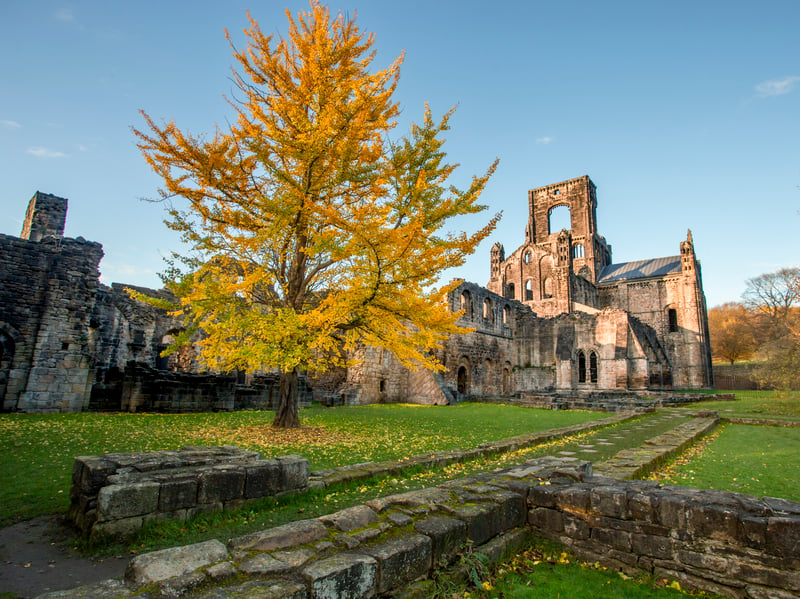
1. Ginkgo tree
The spectacular ginkgo tree at Kirkstall Abbey. | Tatiana Hepplewhite @yorkshire_brew Photo: Tatiana Hepplewhite @yorkshire_brew
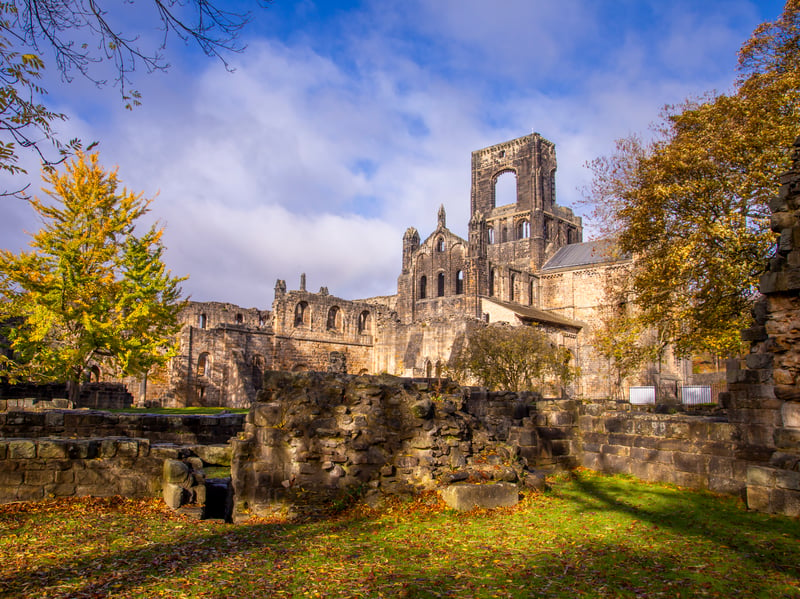
2. Gingko tree
Its remarkable annual transformation, wows visitors with its unmistakable golden colouring. | Tatiana Hepplewhite @yorkshire_brew Photo: Tatiana Hepplewhite @yorkshire_brew
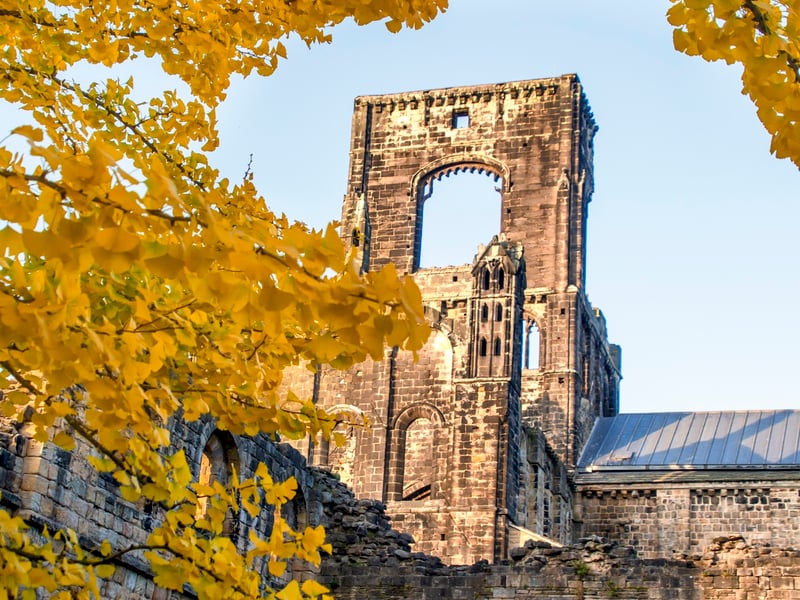
3. Gingko tree
Known as “living fossils”, ginkgo trees are one of the oldest living tree species in the world. | Tatiana Hepplewhite @yorkshire_brew Photo: Tatiana Hepplewhite @yorkshire_brew
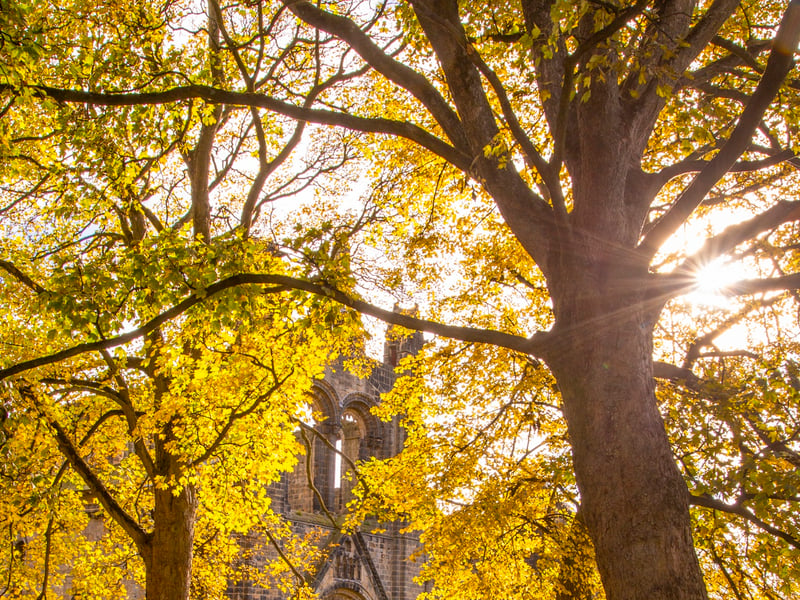
4. Ginkgo tree
Native to China, the oldest living ginkgo tree today is thought to be more than 4,000 years old. | Tatiana Hepplewhite @yorkshire_brew Photo: Tatiana Hepplewhite @yorkshire_brew
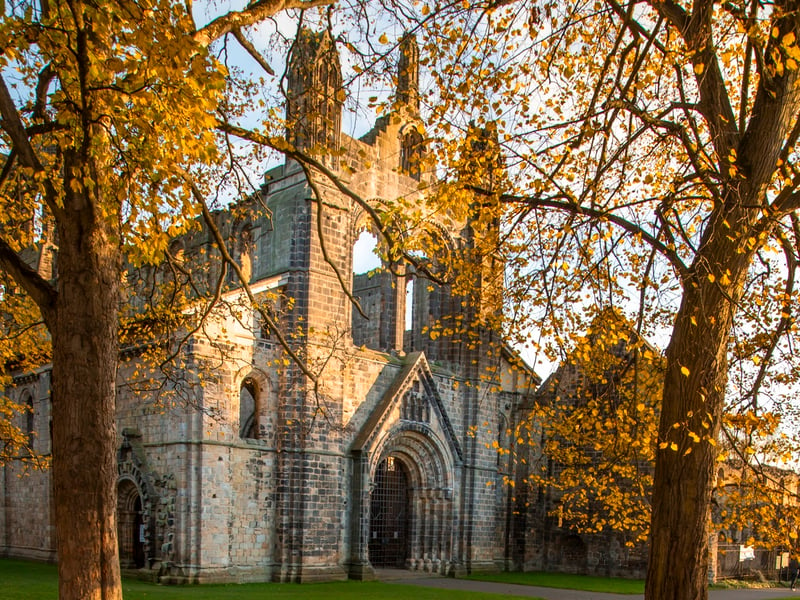
5. Ginkgo tree
Fossils similar to the living species have been found dating back to about 170 million years ago. | Tatiana Hepplewhite @yorkshire_brew Photo: Tatiana Hepplewhite @yorkshire_brew
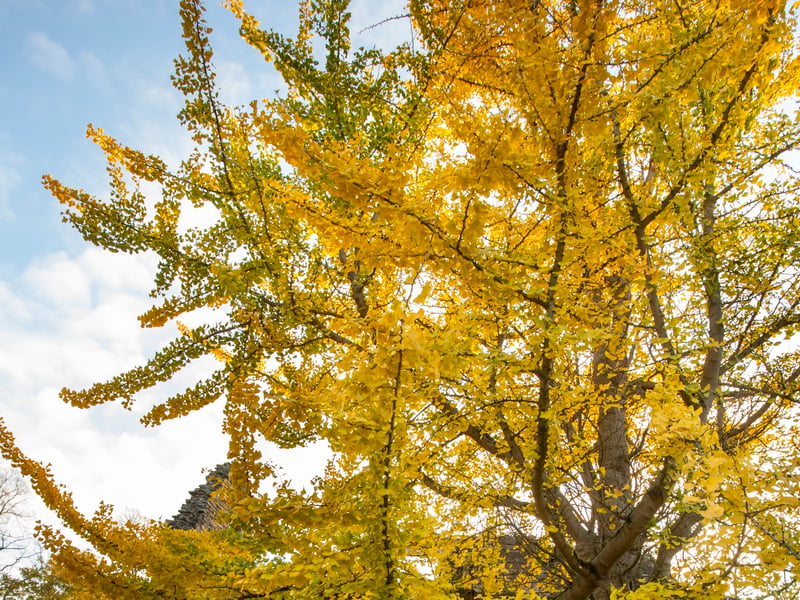
6. Ginkgo tree
Ginkgos were introduced to the UK in around the 1700s. | Tatiana Hepplewhite @yorkshire_brew Photo: Tatiana Hepplewhite @yorkshire_brew