
Wakefield research shows Brits swapping crowded tourist hotspots for cultural experiences
Nearly six in 10 Brits would choose a lesser-known destination with space to explore, while outdoor art and sculpture are helping visitors explore further, stay longer and connect more deeply with places they visit.
New research from Wakefield Council’s tourism team, Experience Wakefield, has revealed that nearly six in 10 people (59%) would choose a lesser-known destination with space to explore, over visiting a crowded tourist hotspot, reflecting a growing appetite for destinations that offer a more authentic and rewarding experience.

The research comes as the August bank holiday approaches and Brits look to make the most of the final days of summer. The study found that spending quality time with family and friends (45%), having the chance to relax and recharge (40%), enjoying time outdoors (35%) and a break from screens (20%) are among people's top priorities.
The findings also revealed what people are looking for when choosing where to visit in the UK for a day trip or staycation. Alongside good value for money (46%), respondents cited attractive natural surroundings (37%) and opportunities for peace and quiet (37%) among the most important factors influencing destination choice.
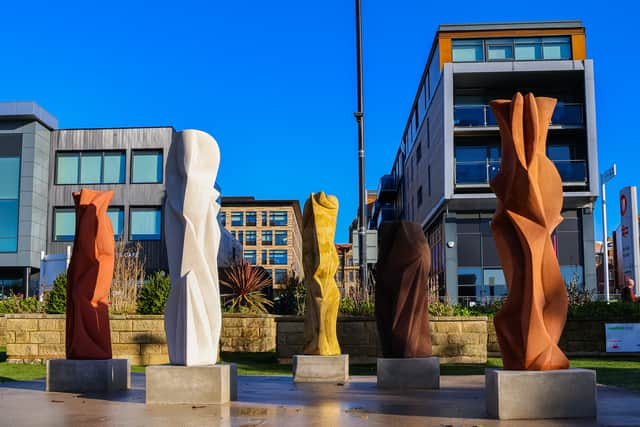
Combined with growing demand for meaningful cultural experiences, the results suggest destinations that offer culture without the crowds are particularly well placed to benefit, including the Wakefield district, the UK’s Capital of Sculpture.
The survey uncovered the impact that outdoor art and sculpture can have on destinations. More than a third of respondents (36%) said outdoor art or sculpture encourage them to explore areas they might otherwise overlook, while a quarter (25%) said they would spend longer exploring a destination because of them. A similar number (28%) said outdoor art inspires them to learn more about a place and its history.
The emotional benefits were clear too. Nearly a quarter of respondents (24%) said outdoor art or sculpture made them to slow down and notice their surroundings, while around one in five said it improved their mood (22%) or helped them relax (20%).
The wider role of culture was also evident, with nearly seven in 10 respondents (69%*) agreeing art and culture support their wellbeing, while almost three-quarters (72%*) agreed cultural experiences help them switch off from screens. Meanwhile, two-thirds (67%*) agreed seeing something creative can help improve a difficult day.
However, the research also revealed a disconnect between public perceptions and the reality of the UK's cultural landscape. When asked which parts of the country they most associate with different art and cultural experiences, including sculpture, street art, murals, painting and photography, respondents were most likely to identify London, despite world-class cultural experiences being available in destinations across the UK. The findings suggest there remains a significant opportunity for destinations outside the capital to strengthen awareness of their cultural offer.
Cllr Lukasz Borcz, Cabinet Member for Culture and Sport, said: "The way people travel is changing. Visitors are increasingly looking for experiences that offer value for money, help them slow down, discover something new and spend meaningful time with the people around them.
"As the UK's Capital of Sculpture, the Wakefield district offers exactly that, combining world-class art and culture at leading institutions like Yorkshire Sculpture Park and The Hepworth Wakefield, with beautiful landscapes, heritage attractions and welcoming communities. As more travellers look beyond the usual hotspots, we hope these findings inspire people to discover more of what the UK has to offer this bank holiday and beyond."
Dr Alexandra Hodby, Head of Programmes from Yorkshire Sculpture Park: "Sculpture has a distinctive ability to connect people with places. Art in a landscape encourages people to pause, explore and experience the world around them in a different way. It can lead them to discover more about a location, or about themselves.
“It’s encouraging to see so many people recognising the positive role of art outdoors, from inspiring curiosity and creativity to helping people spend more time exploring and engaging with the places they visit. We see this every day at Yorkshire Sculpture Park, where sculpture creates memorable experiences that connect people with art, nature and each other.”
To find out more about Experience Wakefield, including what’s on across the district, please visit: https://experiencewakefield.co.uk.
The research was conducted by Censuswide, among a sample 2,000 UK Natrep (ages 18+). The data was collected between 12.08.26-14.08.26. Censuswide is a member of the Market Research Society (MRS) and the British Polling Council (BPC), and a signatory of the Global Data Quality Pledge. They adhere to the MRS Code of Conduct and ESOMAR principles.
*Combining ‘strongly agree’ and ‘somewhat agree’ responses.