
Worrying Leeds cancer figures show hundreds may be delaying GP appointments
More than a quarter of people in Leeds later diagnosed with cancer waited at least three months before reaching out to their GP, according to newly published regional figures.
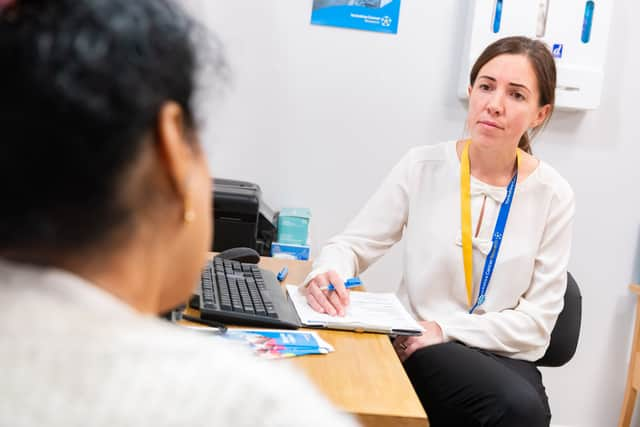

Data analysed by Yorkshire Cancer Research shows that 26% of people in the city delayed getting in touch with a doctor for more than three months, while six per cent waited more than 12 months before seeking an appointment.
The findings, drawn from the National Cancer Patient Experience Survey, highlight significant disparities across the region. While Leeds saw 26 per cent delay their visit, Wakefield and North Kirklees recorded the highest rate in Yorkshire at 34 per cent, compared to Harrogate where 17 per cent waited longer than three months. Across Yorkshire as a whole, 25 per cent did not contact their GP within three months of noticing an issue.
Health leaders say that an early GP appointment is frequently the starting point for cancer detection, leading to crucial scans, tests and specialist referrals that substantially increase the likelihood of successful treatment.
According to the charity, practical issues such as work and caring commitments, transport difficulties, fear over potential diagnoses and cultural factors often deter people from booking an appointment. The survey also indicated that those residing in the most deprived communities were more likely to put off seeing a doctor for three months or more.
The Leeds GP Confederation's Cancer Screening and Awareness Programme, funded by Yorkshire Cancer Research, focused on eight areas of the city to break down cultural barriers and boost awareness of warning signs.
Nine cancer care coordinators were introduced to work alongside GP surgeries and local residents, particularly supporting women from culturally diverse backgrounds who faced anxiety around medical visits and booking challenges.
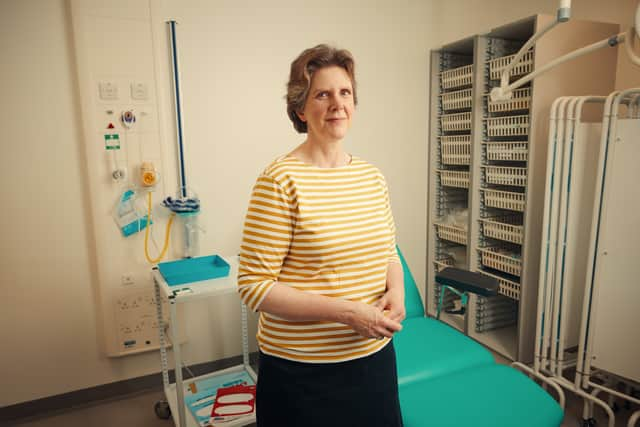
Among those urging people not to wait is Fiona Fleming, from Leeds, who spent more than 25 years working as a GP in Bradford before receiving her own bowel cancer diagnosis.
She said: “As a GP, I thought cancer would never happen to me, and about the number of people I see who have symptoms that fortunately turn out to be nothing serious.
"But in the end, I knew I really did need a colonoscopy. With my professional background, I feel grateful I knew what those cancer signs meant and that I was comfortable with the use of medical jargon when I did attend my appointment. But not everyone in Yorkshire experiences those same benefits. If you feel there’s something wrong, it’s always best to go to your doctor and check.”
The charity has also pointed out that Yorkshire has faced inequalities in health research funding for at least two decades, and is campaigning for a fairer system to support clinical studies tailored to the region's diverse population.
Dr Stuart Griffiths, director of Research, Policy and Impact at Yorkshire Cancer Research, said: “Yorkshire Cancer Research understands there are many reasons why people may delay contacting their GP. People lead busy lives, symptoms can be easy to overlook and some may feel worried about what they might hear.
“However, if something doesn't feel right, it's crucial to seek medical advice. Most people who contact their GP with a health concern will not have cancer, but if cancer is present, detecting it at an earlier stage can make a life-saving difference. Early diagnosis can mean more treatment options are available, offering the best chance of cure.
“Yorkshire Cancer Research wants everyone in Yorkshire to feel confident contacting their GP if something isn’t right.
"Alongside raising awareness about the importance of early diagnosis, the charity funds vital research to find innovative ways to detect cancer earlier and better understand the barriers that can prevent people from seeking help, so that more people can receive a diagnosis as early as possible.”