

They were the ‘Barnbow Lasses’, female workers who filled shells and produced explosives at the Barnbow Munitions Factory on Manston Lane during the First World War. The factory opened in December 1915 for the production of shells for use by the troops and continued without stoppages until November 11, 1918, when the war ended. 16,000 people - 93 per cent of which were women as most of the men were away at war - were employed there at the peak of its production. The work was extremely hazardous with three fatal explosions taking place including one in 1916 which killed 35 women. Exposure to dangerous chemicals left many women with skin and hair turning yellow, leading to them being dubbed the ’Barnbow Canaries’. This gallery of more than 20 photos takes you inside the factory and showcases the hard work, dedication and contribution made by those who worked at the site. The images are published courtesy of photographic archive Leodis, which is run by Leeds Library & Information Service. READ MORE: Leeds Pals - The story of the soldiers who made the ultimate sacrifice LOVE LEEDS? LOVE NOSTALGIA? Join Leeds Retro on facebook YEP RETRO NEWSLETTER: Sign up for our free monthly email digest of Leeds nostalgia
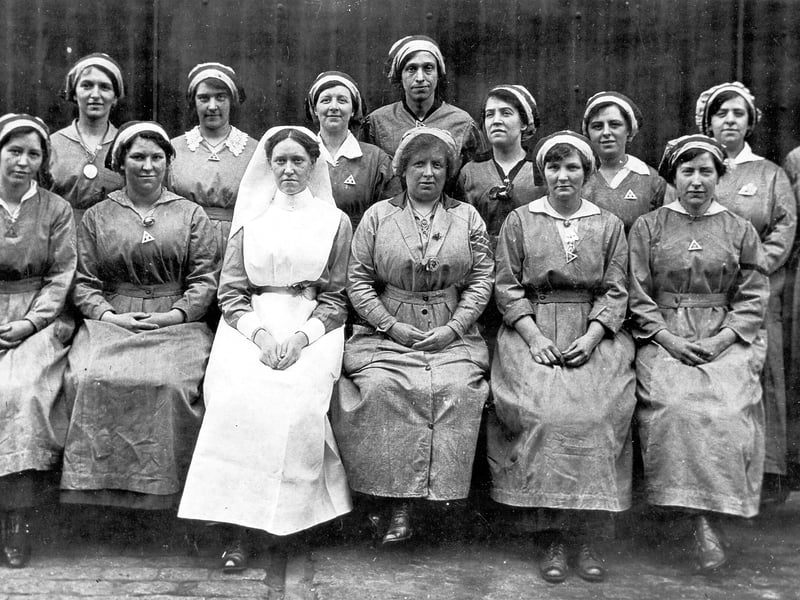
1. Barnbow Lasses
A group of munitions workers and a nurse. The women are wearing protective clothing, munition work was dirty and dangerous. | Leeds Libraries, www.leodis.net Photo: Leeds Libraries, www.leodis.net
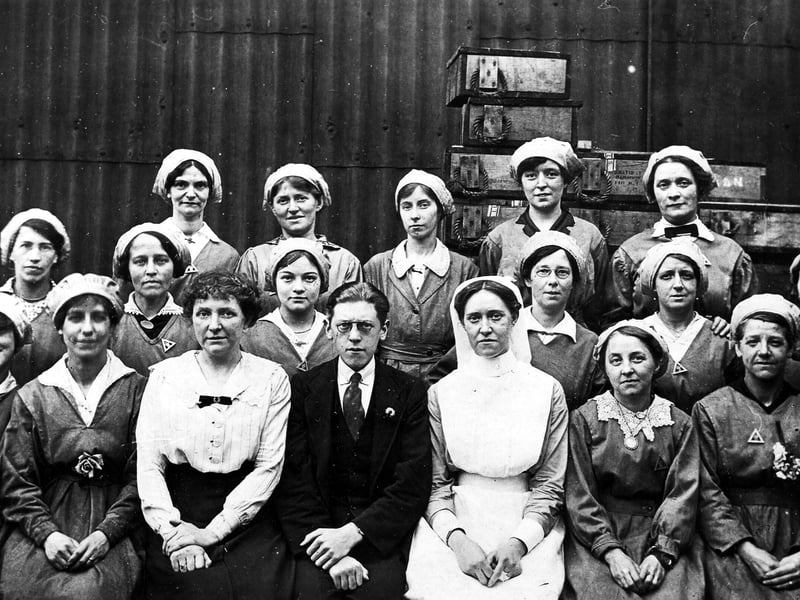
2. Barnbow Lasses
This undated photo shows a group of women workers who were employed at Barnbow, between 1915 and 1918. On the front row a woman in civilian dress, a man and a nurse. | Leeds Libraries, www.leodis.net Photo: Leeds Libraries, www.leodis.net
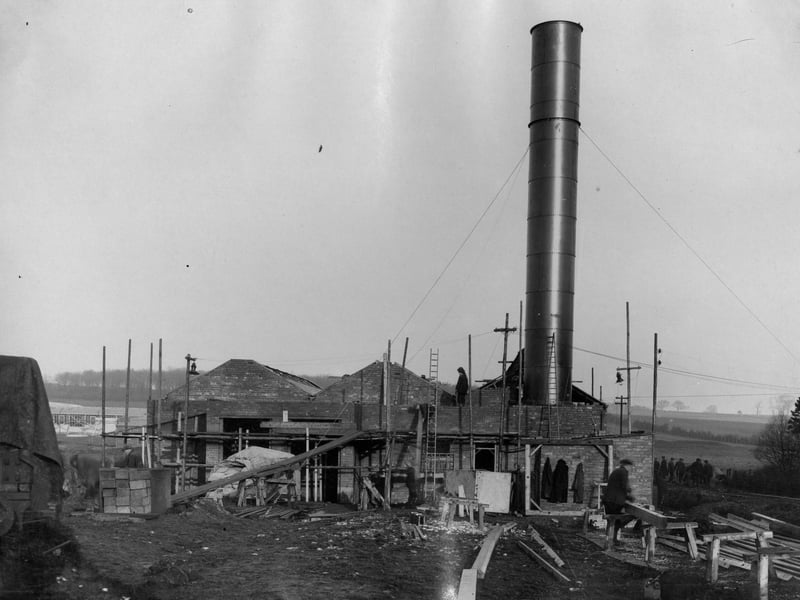
3. Barnbow Lasses
The Boiler House under construction. The first portion was completed in January 1916. The Yorkshire Electric Power Company was to supply the power to drive the heating pumps and provide lighting throughout the factory. | Leeds Libraries, www.leodis.net Photo: Leeds Libraries, www.leodis.net
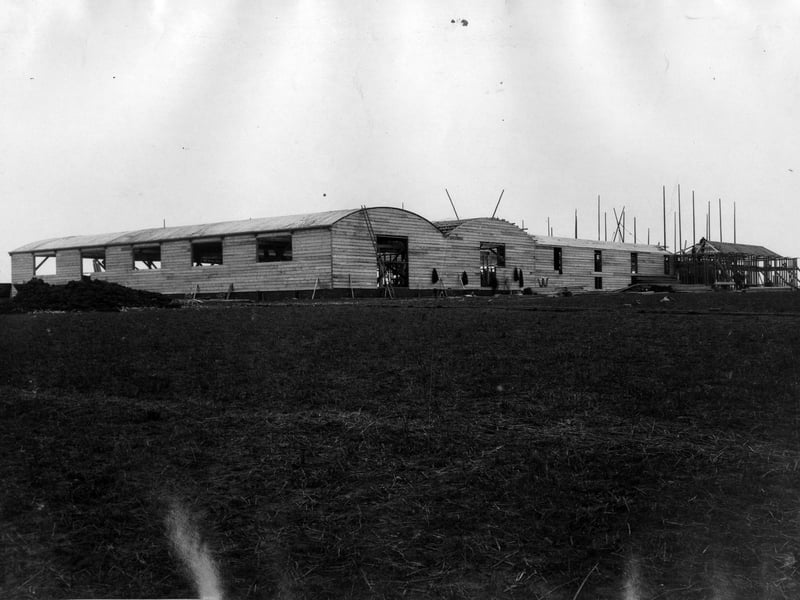
4. Barnbow Lasses
The Melting House building, seen here in the process of construction in early 1916, was completed in a time frame of six weeks due to the urgent need to begin the filling of shells. Within four weeks a large shell store had been completed and the first shells were unloaded for cleaning and painting. | Leeds Libraries, www.leodis.net Photo: Leeds Libraries, www.leodis.net
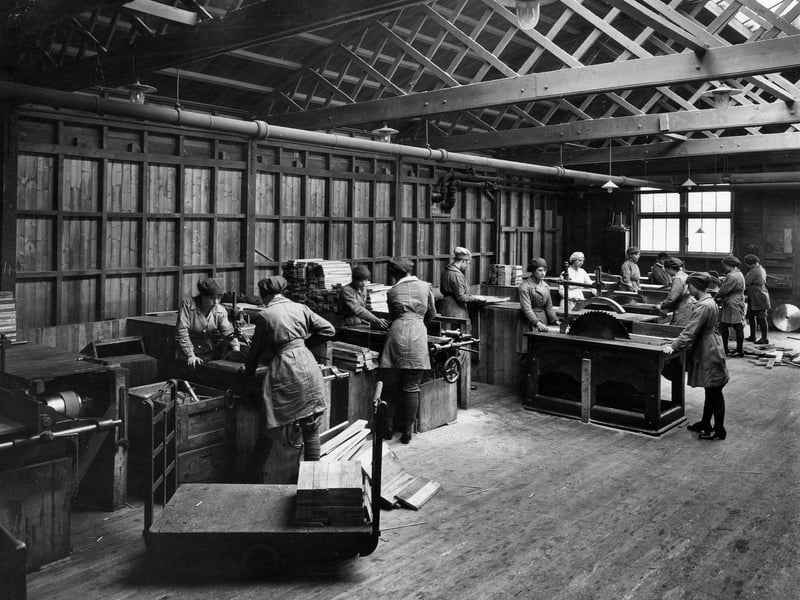
5. Barnbow Lasses
Girls making box lids for the cartridge packing cases. Nothing was wasted and the materials from empty propellant boxes were sorted and converted by an entirely female work force. Here they are using circular saws to cut the wood to size. | Leeds Libraries, www.leodis.net Photo: Leeds Libraries, www.leodis.net
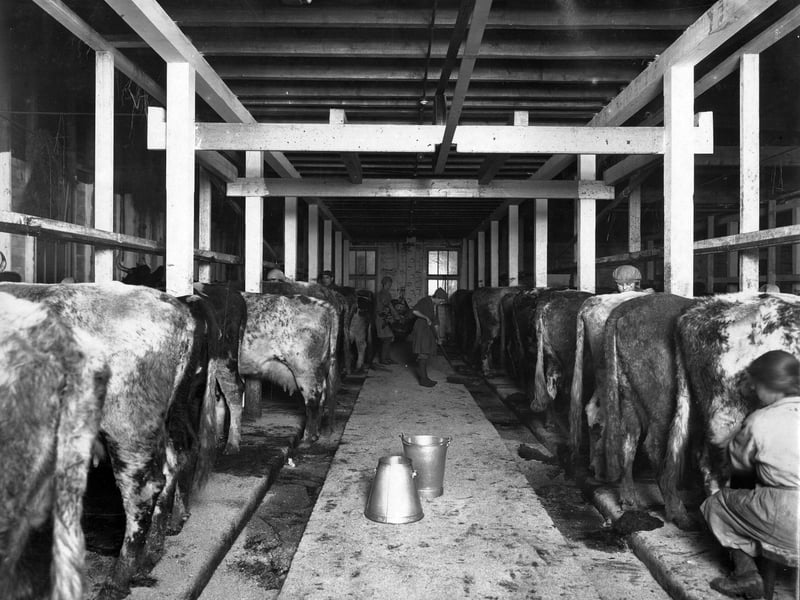
6. Barnbow Lasses
The many occupational hazards the women faced at Barnbow included working with chemical propellants which had the effect of turning the exposed skin and hair yellow. Because of this the women workers were dubbed the "Barnbow Canaries". The girls were encouraged to drink plenty of milk to counteract the effects. Barnbow actually had its own farm with a herd of dairy cows producing 300 gallons of milk each day. | Leeds Libraries, www.leodis.net Photo: Leeds Libraries, www.leodis.net