
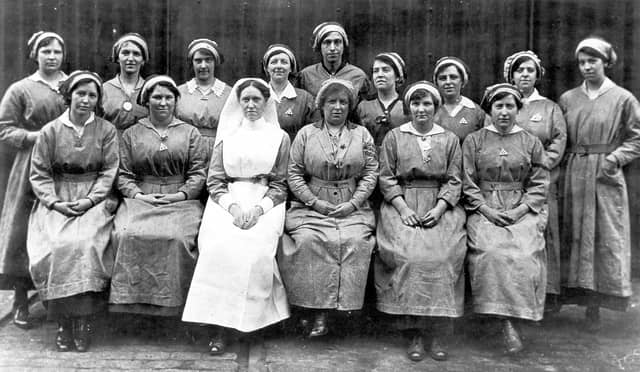


They were the ‘Barnbow Lasses’, female workers who filled shells and produced explosives at the Barnbow Munitions Factory on Manston Lane during the First World War. The factory opened in December 1915 for the production of shells for use by the troops and continued without stoppages until November 11, 1918, when the war ended. 16,000 people - 93 per cent of which were women as most of the men were away at war - were employed there at the peak of its production. The work was extremely hazardous with three fatal explosions taking place including one in 1916 which killed 35 women. Exposure to dangerous chemicals left many women with skin and hair turning yellow, leading to them being dubbed the ’Barnbow Canaries’. This gallery of more than 20 photos takes you inside the factory and showcases the hard work, dedication and contribution made by those who worked at the site. The images are published courtesy of photographic archive Leodis, which is run by Leeds Library & Information Service. READ MORE: Leeds Pals - The story of the soldiers who made the ultimate sacrifice LOVE LEEDS? LOVE NOSTALGIA? Join Leeds Retro on facebook YEP RETRO NEWSLETTER: Sign up for our free monthly email digest of Leeds nostalgia
7. Barnbow Lasses
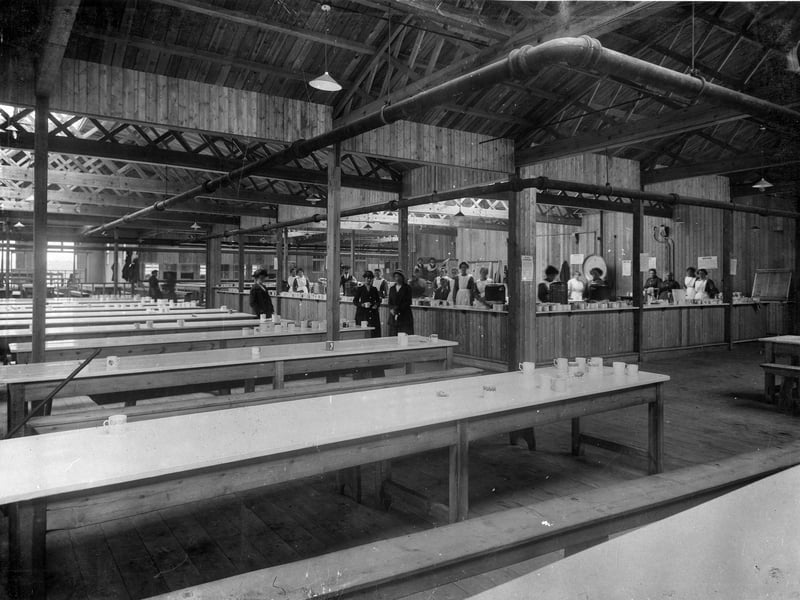
A refreshment buffet was opened up for the benefit of the women workers who preferred to bring their own food. Beverages of hot milk, cocoa and tea were available for purchase along with biscuits and cakes. The provision of the refreshment buffet meant that the women could obtain a light snack as they arrived off the shift trains and also just before the trains left at the end of their shift. Pictured in June 1916. | Leeds Libraries, www.leodis.net Photo: Leeds Libraries, www.leodis.net
8. Barnbow Lasses
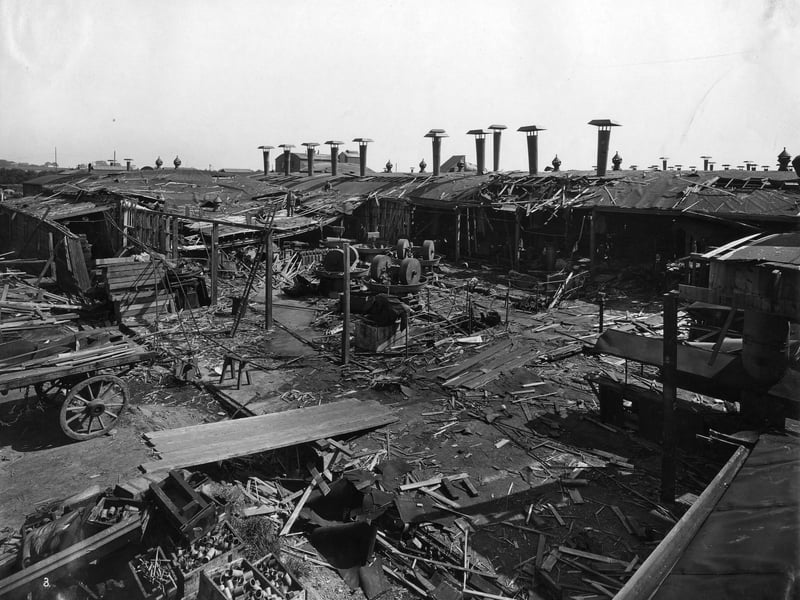
This photo shows a building after it had been ripped apart by an explosion on May 31, 1918. This was also the day that King George V and Queen Mary were making a visit to Leeds. Experimental work was being carried out when the explosion occurred and, tragically, three men lost their lives and several workers were injured. Queen Mary sent a Royal message of sympathy and a gift of flowers to the injured. | Leeds Libraries, www.leodis.net Photo: Leeds Libraries, www.leodis.net
9. Barnbow Lasses
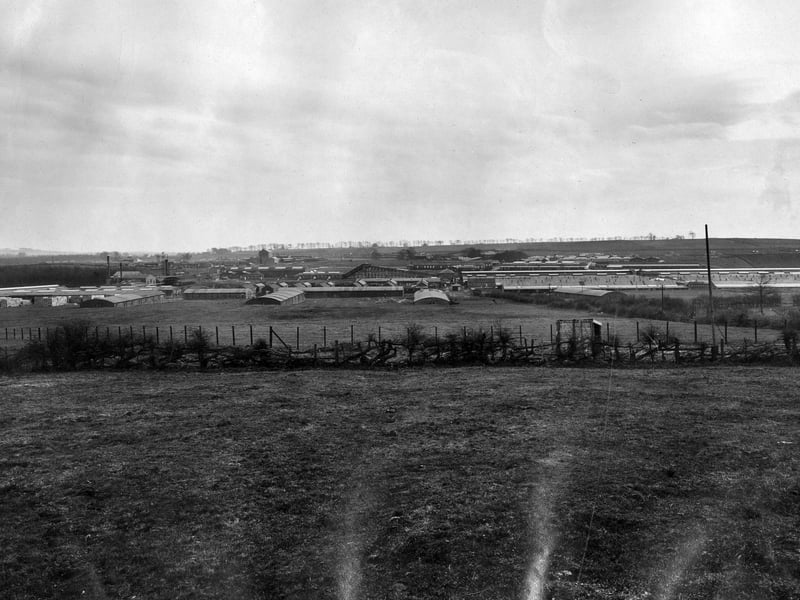
A bird's eye view of the National Filling Factory taken between 1915 and 1918. | Leeds Libraries, www.leodis.net Photo: Leeds Libraries, www.leodis.net
10. Barnbow Lasses
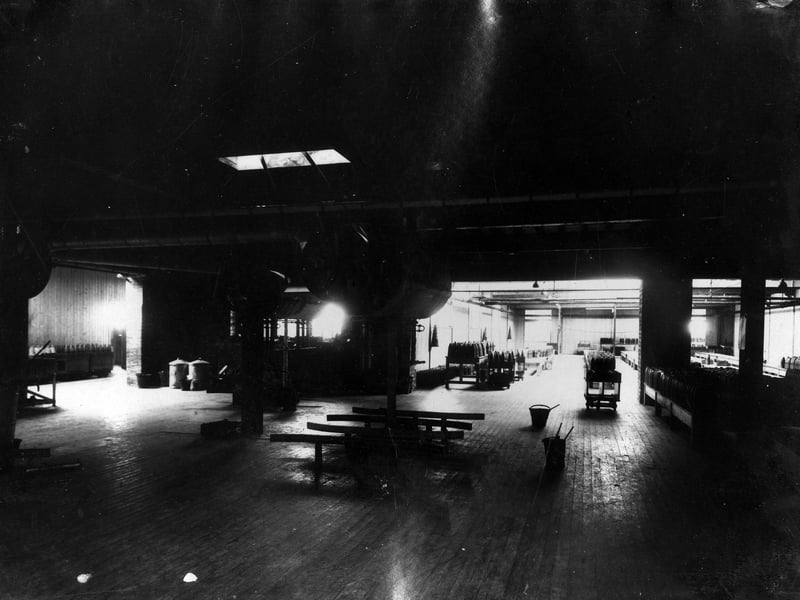
Inside the Melt House in 1916. This shows the Filling and Stemming Room, taken a few days after opening, which took place about six weeks after commencement of the building work, such was the urgent need to provide shells for the troops. | Leeds Libraries, www.leodis.net Photo: Leeds Libraries, www.leodis.net
11. Barnbow Lasses
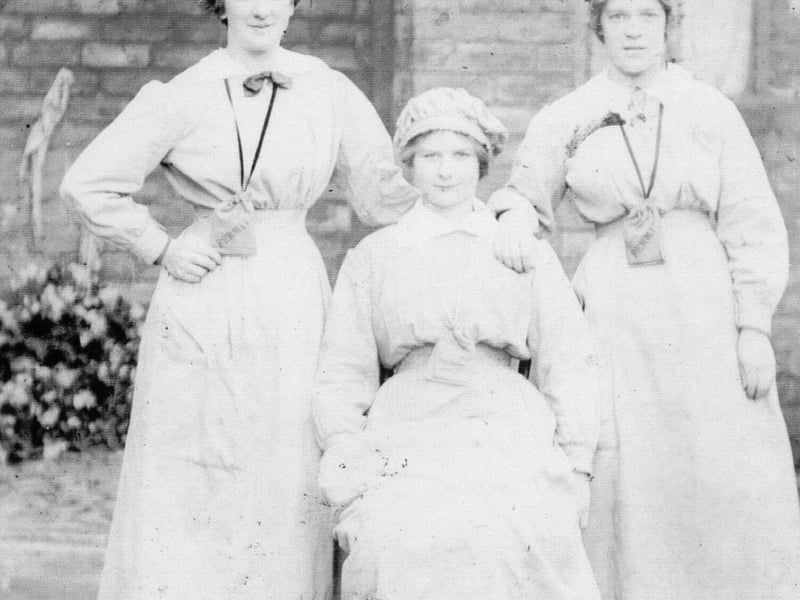
Portrait of three young female workers pictured are taking a break from filling shells in 1917. In the centre of the photo is Sarah Spink Hooper, nee Ellis, who married Arthur Hooper in 1916. The couple were from Wetherby and their daughter Joyce was also occupied filling shells during the Second World War, at the Royal Ordnance Factory at Thorp Arch. | Leeds Libraries, www.leodis.net Photo: Leeds Libraries, www.leodis.net
12. Barnbow Lasses
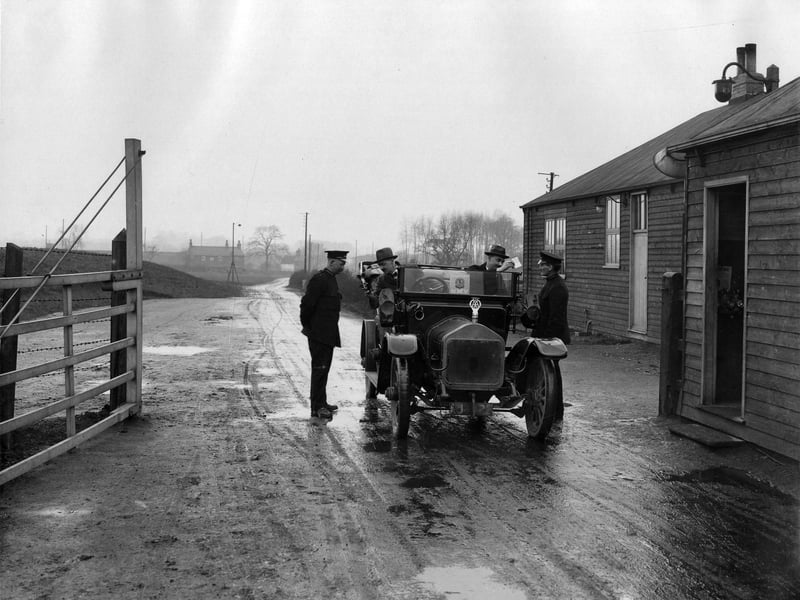
Factory security was an obvious priority and the site was enclosed by barbed wire with only two entrances, controlled by the Police Department. One entrance was for general purposes and the other solely for vehicles. The Police Department comprised a superintendent and three inspectors and a female superintendent who was in charge of the police women employed by the factory. Everyone entering the site had to have an official permit and in this image a vehicle is being held up while its two occupants are satisfying police that they are on authorised business. | Leeds Libraries, www.leodis.net Photo: Leeds Libraries, www.leodis.net