
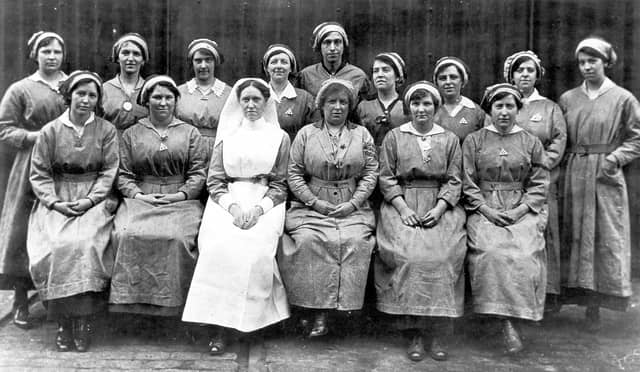


They were the ‘Barnbow Lasses’, female workers who filled shells and produced explosives at the Barnbow Munitions Factory on Manston Lane during the First World War. The factory opened in December 1915 for the production of shells for use by the troops and continued without stoppages until November 11, 1918, when the war ended. 16,000 people - 93 per cent of which were women as most of the men were away at war - were employed there at the peak of its production. The work was extremely hazardous with three fatal explosions taking place including one in 1916 which killed 35 women. Exposure to dangerous chemicals left many women with skin and hair turning yellow, leading to them being dubbed the ’Barnbow Canaries’. This gallery of more than 20 photos takes you inside the factory and showcases the hard work, dedication and contribution made by those who worked at the site. The images are published courtesy of photographic archive Leodis, which is run by Leeds Library & Information Service. READ MORE: Leeds Pals - The story of the soldiers who made the ultimate sacrifice LOVE LEEDS? LOVE NOSTALGIA? Join Leeds Retro on facebook YEP RETRO NEWSLETTER: Sign up for our free monthly email digest of Leeds nostalgia
13. Barnbow Lasses
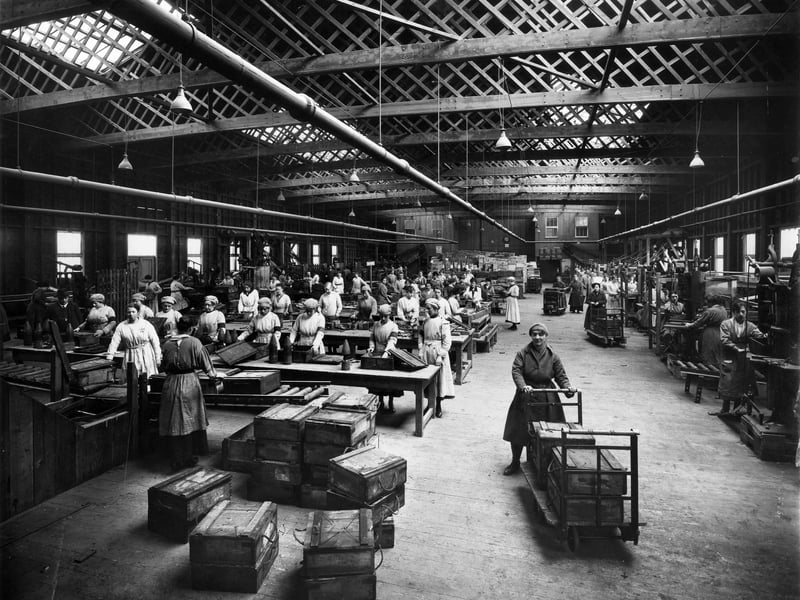
Inside the Box Factory comprising the Large Machinery Hall and the Box Assembly Room. The work here included the overhauling of gun ammunition boxes returned from overseas, repairs to the framework of the boxes and new internal fittings. | Leeds Libraries, www.leodis.net Photo: Leeds Libraries, www.leodis.net
14. Barnbow Lasses
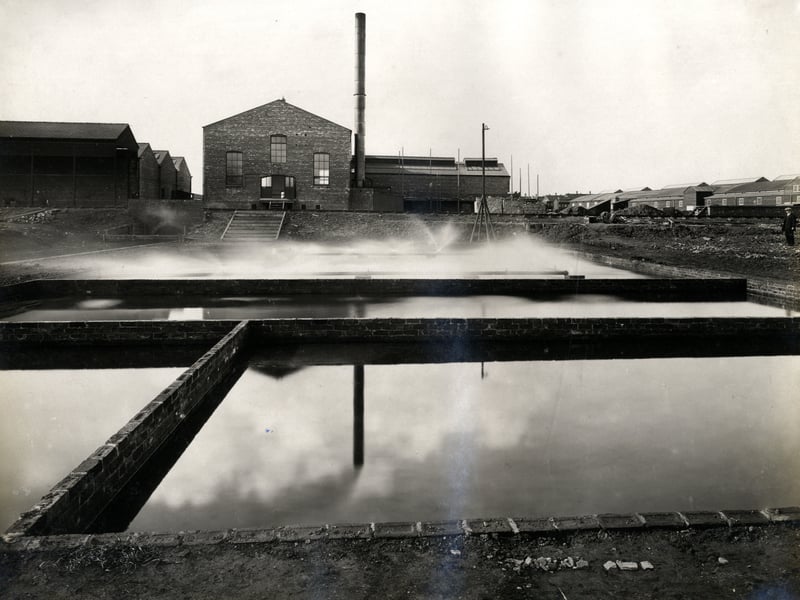
A view of the Cooling Pond. The pond boasted a 200,000 gallon storage capacity and was created by the damming of the Cock Beck which flowed through the factory. | Leeds Libraries, www.leodis.net Photo: Leeds Libraries, www.leodis.net
15. Barnbow Lasses
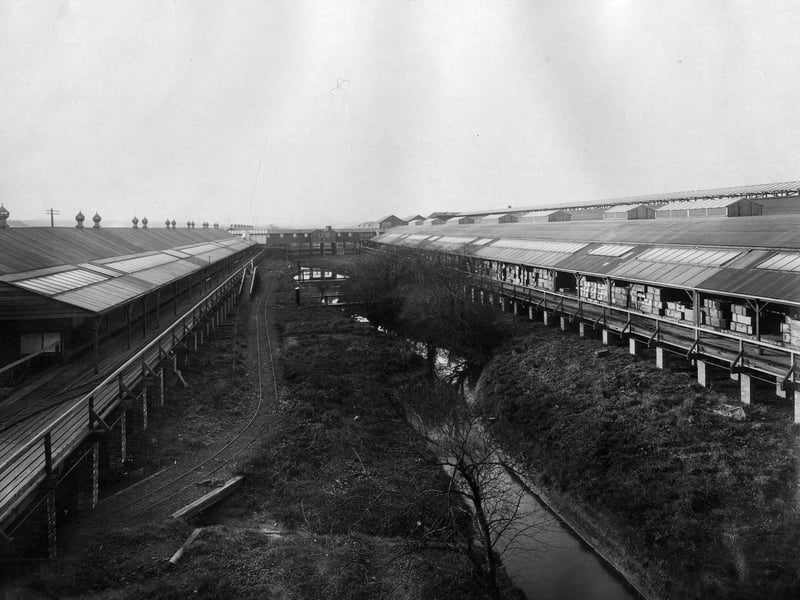
This view shows the elevated trolley tracks that were used for the efficient transport of materials from the various stores and magazines. The work rooms were connected up continuously by a 2 foot Gauge Trolley system which allowed for rapid handling. 70 ponies which were stabled at an adjacent farm worked shifts to pull the trolleys. Pictured circa 1916 to 1918. | Leeds Libraries, www.leodis.net Photo: Leeds Libraries, www.leodis.net
16. Barnbow Lasses
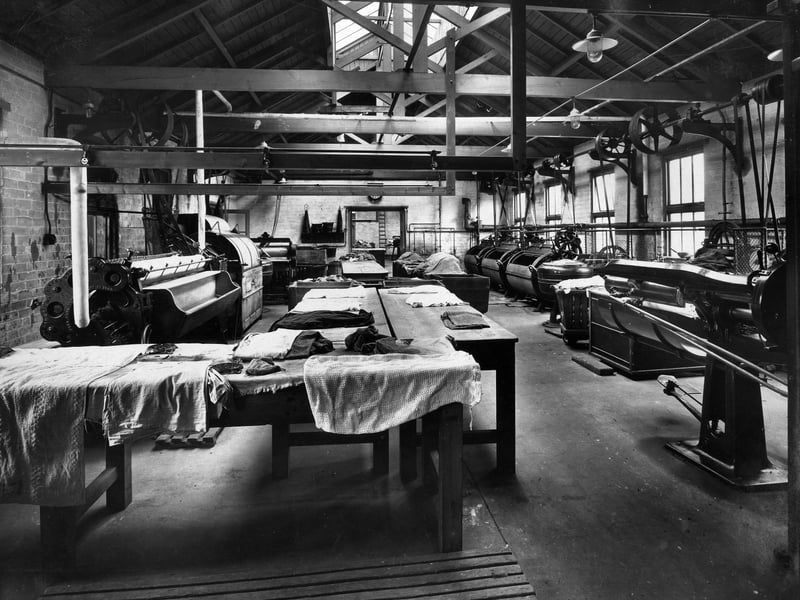
The south end of the Laundry which was equipped with modern machinery to cater for the needs of the factory workers. It was run in conjunction with the Outfitting Department which was responsible for the issue of garments which complied with the strict regulations. Each week the workers' clothes were thoroughly cleaned, with particular care paid to the garments of those working in the dangerous Amatol sections. | Leeds Libraries, www.leodis.net Photo: Leeds Libraries, www.leodis.net
17. Barnbow Lasses
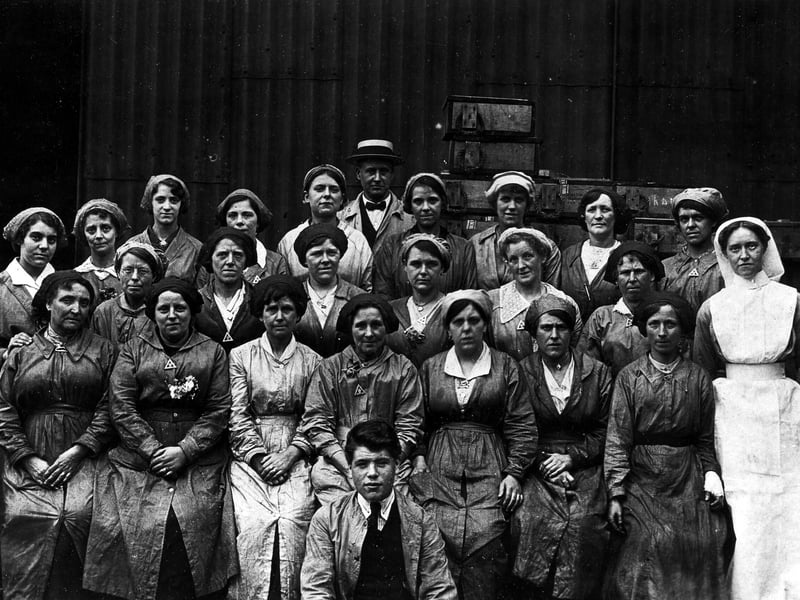
A group of women workers. Here a man in a straw boater hat stands behind, with a young man in front of the group. On the right is one of the nurses who were on site to guard the health of the workers. | Leeds Libraries, www.leodis.net Photo: Leeds Libraries, www.leodis.net
18. Barnbow Lasses
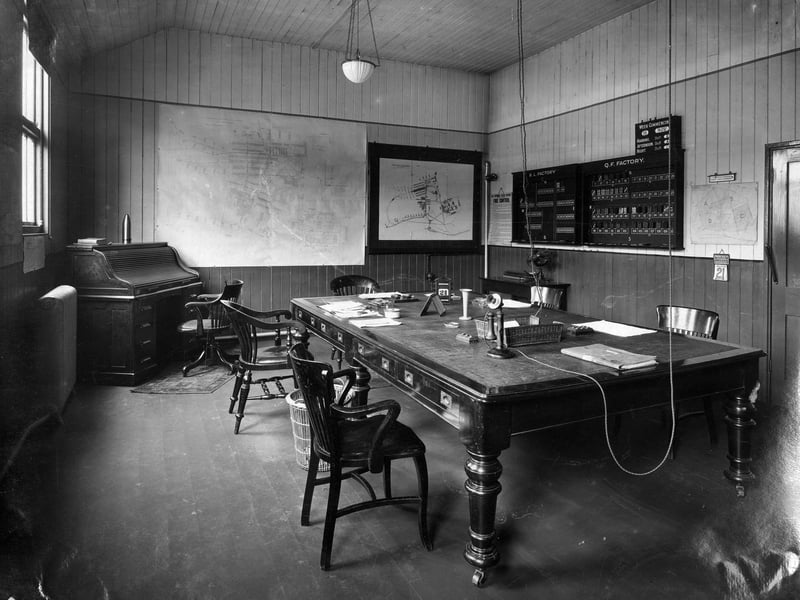
Inside the Board Room at the Barnbow National Filling Factory, where the Board of Management met regularly. Pictured circa 1916 to 1918. | Leeds Libraries, www.leodis.net Photo: Leeds Libraries, www.leodis.net