
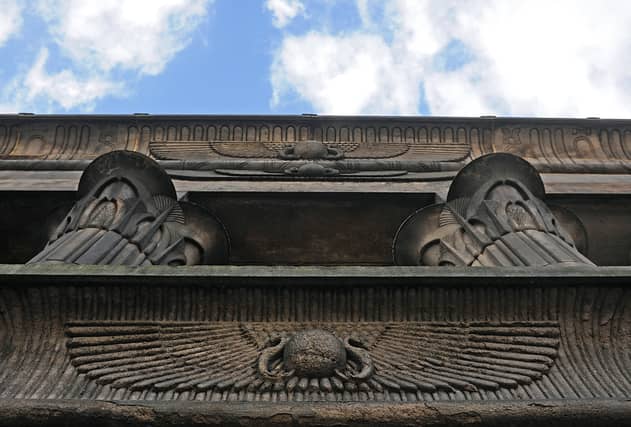


Let’s be honest with each other for just one moment - if you’re here and you wanted the usual list of shops and places your nan recommends, you'd be reading a pamphlet from the Tourist Information Centre, and that’s fine if you want conventional...
… but as you’re here now, still reading, it would appear you might be interested in the more ‘obscure’ destinations in Leeds - those landmarks and areas that might not appear in every tourist guide, but speak to locals in the city and they will no doubt attest to the significance of some of the areas a little less ordinary than Roundhay Park or the Art Gallery.
From a Victorian cemetery that housed the grim Guinea Graves to the original, unmarked corner where the city’s burgeoning punk scene started to evolve (long before it was cool), these are the landmarks that truly matter to those with a link to the city, and provide some of the more eccentric, if not at times macabre tales that this place has to offer.
We've compiled thirteen spots that skip the boring stuff and head straight for the fascinating, often forgotten history; locations that hold a genuine resonance to the city's past, and most of them remain totally obscured from the masses.
So stop wandering into tourist traps - here’s the more peculiar, but undoubtedly still genuinely significant corners of Leeds you might want to visit in the near future.
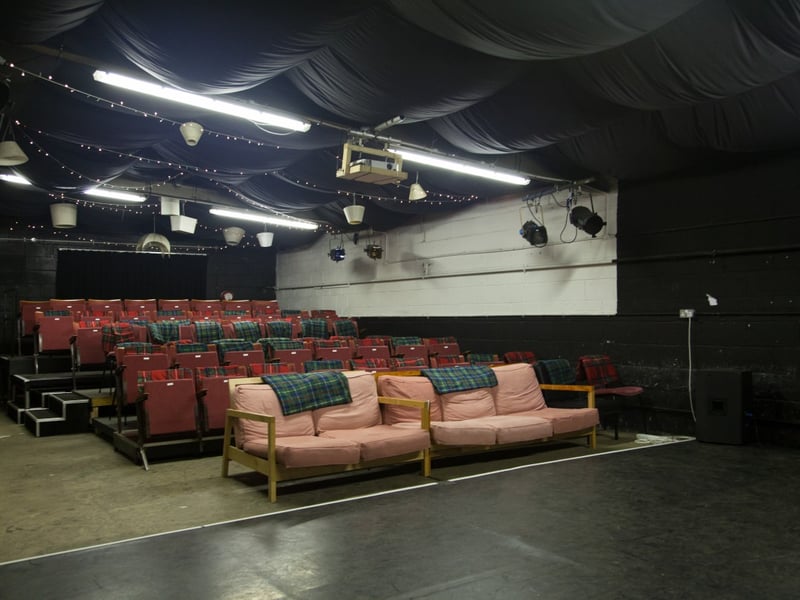
7. Holbeck Underground Ballroom (67 Bath Rd, Holbeck)
Nestled beneath the railway lines in Holbeck, this arts venue is completely off the mainstream map. It is home to the renowned Slung Low theatre company and operates on an incredible, groundbreaking pay-what-you-think ticketing model, encouraging radical accessibility to high-quality contemporary theatre. | Slung Low
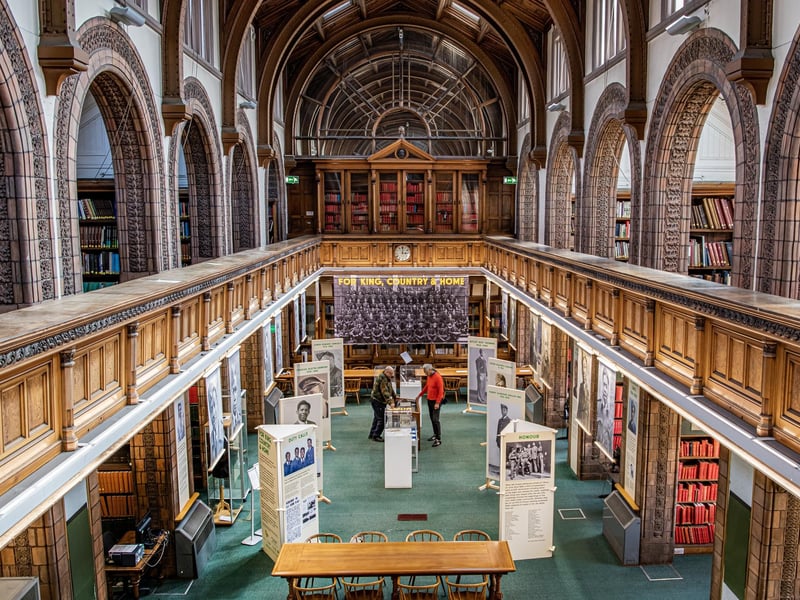
8. The Leeds Library (18 Commercial St)
Hidden away on a busy shopping street, this is one of the oldest surviving subscription libraries in the entire UK, founded in 1768. The interior is a quiet, stunning sanctuary filled with wood panelling and towering shelves, offering a unique glimpse into 18th-century intellectual life. | Tony Johnson
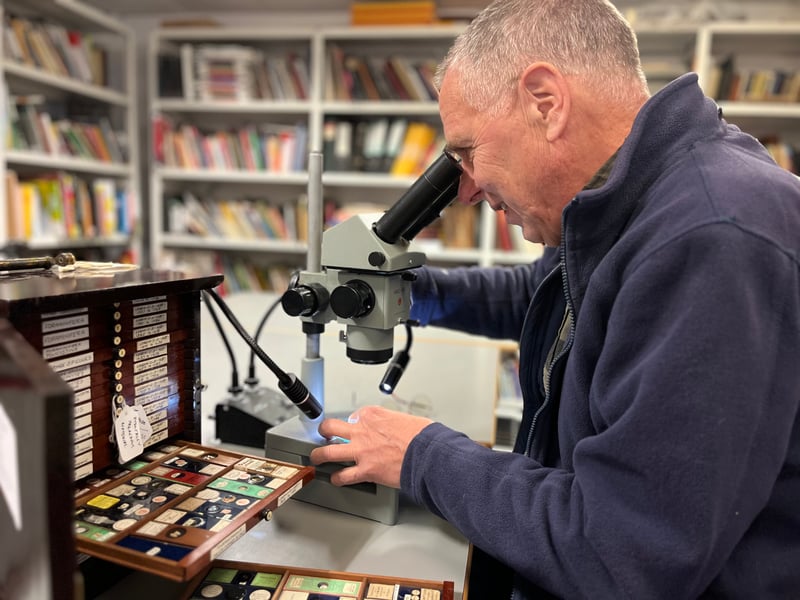
9. Leeds Discovery Centre (Carlisle Road)
Unlike a traditional museum, this is where the real collection lives. Booking a tour here allows you to go behind the scenes and wander through the climate-controlled storage rooms, getting up close to the over one million objects that are usually kept out of public view, from ancient artefacts to taxidermy. | Leeds City Council
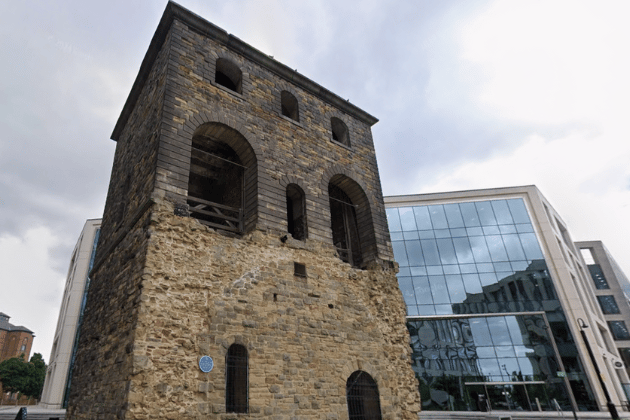
10. Wagon Lifting Hoist Mini Museum (Wellington Place)
The definition of niche. This minuscule museum is dedicated to a single, fascinating piece of preserved industrial history: a Victorian wagon lifting hoist once used to transfer goods between canal boats and rail wagons. It's a tiny tribute to a critical moment in Leeds's transport heritage. | Google Maps
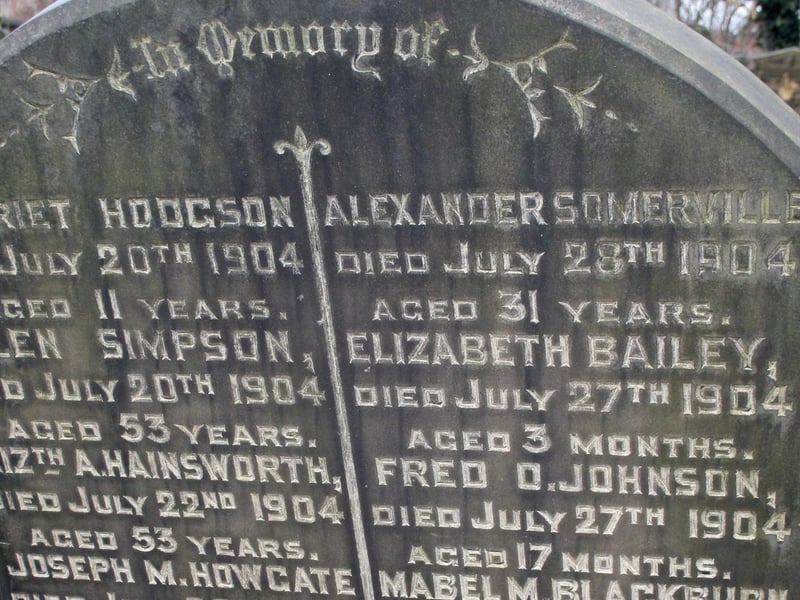
11. Beckett Street Cemetery (Beckett Street)
This cemetery provides a poignant and unsettling view into Victorian social class. It is the site of the notorious 'Guinea Graves,' where poor families would pay a single Guinea to share a multi-person plot (sometimes containing over twenty bodies) to ensure they received a marked headstone instead of an unmarked common grave. | Leeds Libraries, www.leodis.net
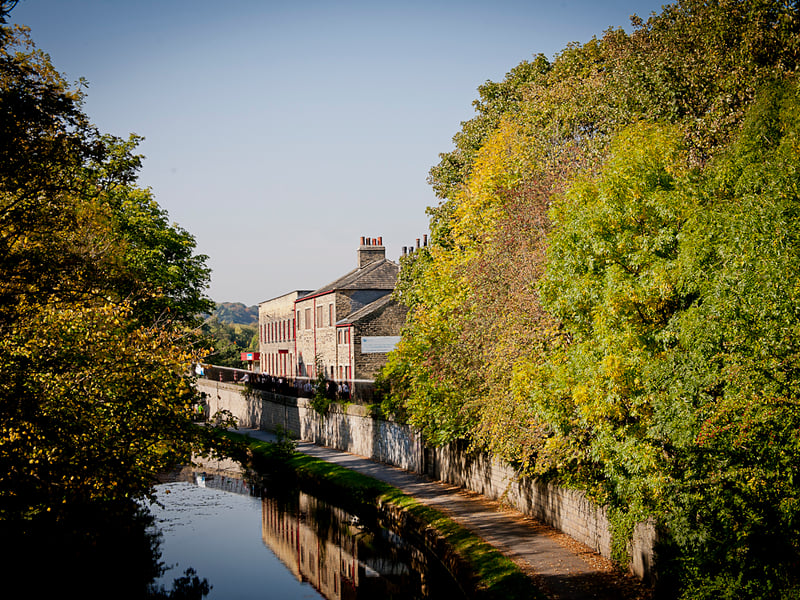
12. Leeds Industrial Museum at Armley Mills (Canal Rd, Armley)
Although a large site, its importance is often overshadowed. This was once the largest woollen mill in the world, driving the Industrial Revolution. Its sheer scale and preserved machinery are staggering, and it has a long-standing local reputation for being one of the most actively haunted buildings in the city. | Submitted