
Spring forward, paws back: How the clock change can disrupt your dog’s regular routines

As the city prepares to move the clocks forward overnight, humans aren't the only ones who might feel a little groggy.
While we struggle with the lost hour of sleep, our four-legged friends are dealing with a much bigger mystery: why is breakfast late?
According to Jo Hinds, specialist behaviourist at the fresh dog food subscription service Years, even a sixty-minute shift can throw a well-regulated dog into a spin.
"Dogs are creatures of habit," Jo explains. "They don’t understand the concept of daylight saving time. When feeding or walk times suddenly shift, it can feel genuinely confusing.
“You might find your dog waking earlier, acting restless, or 'begging' for dinner long before you're ready to serve it."
The good news? Most dogs settle within a few days.
The better news? You can still make the transition seamless by shifting some of their routines over a period of time, starting today and through the next 24 hours.
By making a few proactive adjustments now, you can help align your dog’s internal "stomach clock" before the new time officially kicks in tomorrow.
How can I tell if my dog is affected by the start of daylight saving time?
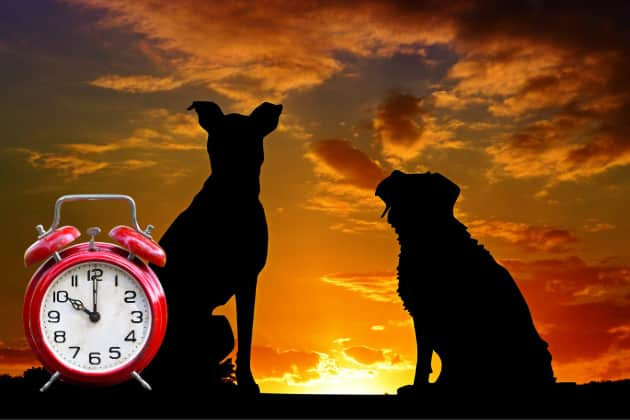

You might notice your dog becoming a little ‘out of sync’ as their internal rhythm clashes with the new wall clock.
Common signs include the early wake-up call, where they stare at you expectantly at 6am (which feels like 7am to them), or persistent kitchen loitering as they hang around their food bowl much earlier than usual.
You may also notice some evening restlessness, such as pacing or whining when their old walk time arrives, simply because their body tells them it’s time for exercise even if the sun is still up.
What can I do to ensure that daylight saving time starting doesn't affect my dog?
Since we are on the eve of the change, the best approach is to ‘split the difference’ today.
Try moving today's evening meal and final walk forward by 30 minutes; this halfway point helps bridge the gap so the full hour jump tomorrow doesn't feel like such a shock to their system.
When you wake up tomorrow, try to stick to the new time for their morning walk and breakfast as closely as possible.
If they are particularly restless or hovering by the bowl, a high-value distraction, like an enrichment toy or a quick training session, can help distract them until the new scheduled time.
Keeping their exercise levels consistent throughout Sunday will also help tire them out, ensuring they are ready for their ‘new’ bedtime despite the lighter evening. Lighter evenings often mean longer walks and more outdoor activity, which is a fantastic way to help your dog burn off any out-of-sync restlessness.
However, keep in mind that as the seasons shift, local wildlife becomes more active during these twilight hours.
If your dog has a high prey drive, keep them on a lead during those first few new evening walks until they are settled into the rhythm of the later sunset.
While it might still be light outside at their new bedtime, try to keep your evening wind-down habits the same.
Close the curtains or dim the lights at the ‘old’ time to signal to your dog that the day is over; consistent bedtime cues, like a specific dental chew or a last garden break, will help their internal clock realise that even though it’s light out, it is still time for sleep.