

Let’s be honest with each other for just one moment - if you’re here and you wanted the usual list of shops and places your nan recommends, you'd be reading a pamphlet from the Tourist Information Centre, and that’s fine if you want conventional...
… but as you’re here now, still reading, it would appear you might be interested in the more ‘obscure’ destinations in Leeds - those landmarks and areas that might not appear in every tourist guide, but speak to locals in the city and they will no doubt attest to the significance of some of the areas a little less ordinary than Roundhay Park or the Art Gallery.
From a Victorian cemetery that housed the grim Guinea Graves to the original, unmarked corner where the city’s burgeoning punk scene started to evolve (long before it was cool), these are the landmarks that truly matter to those with a link to the city, and provide some of the more eccentric, if not at times macabre tales that this place has to offer.
We've compiled thirteen spots that skip the boring stuff and head straight for the fascinating, often forgotten history; locations that hold a genuine resonance to the city's past, and most of them remain totally obscured from the masses.
So stop wandering into tourist traps - here’s the more peculiar, but undoubtedly still genuinely significant corners of Leeds you might want to visit in the near future.
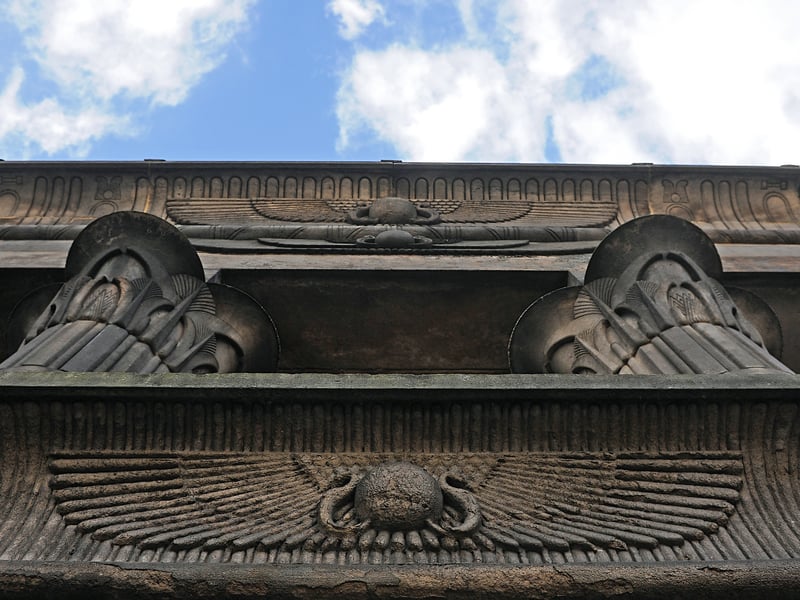
1. Temple Works (17 Marshall St, Holbeck)
The first thing you’ll notice is the bizarre Egyptian Revival architecture—an homage to the Temple of Horus—created to house a 19th-century flax mill. More famously, this building once featured a large glass roof where live sheep were kept grazing to help regulate the building’s internal humidity, a truly unique piece of forgotten industrial engineering history. | Tony Johnson
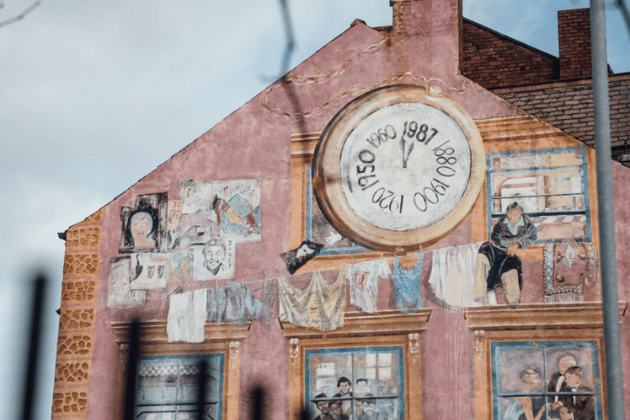
2. The Mabgate Mural (Mabgate, near the Old Mill)
Easily missed on the side of a former textile mill, this isn't just a generic mural. It is a powerful, colourful monument to the local community, as the figures painted into the building's windows are actually portraits of the real employees who worked at the stone cutting company that occupied the premises in the 1980s. | Welcome To Leeds
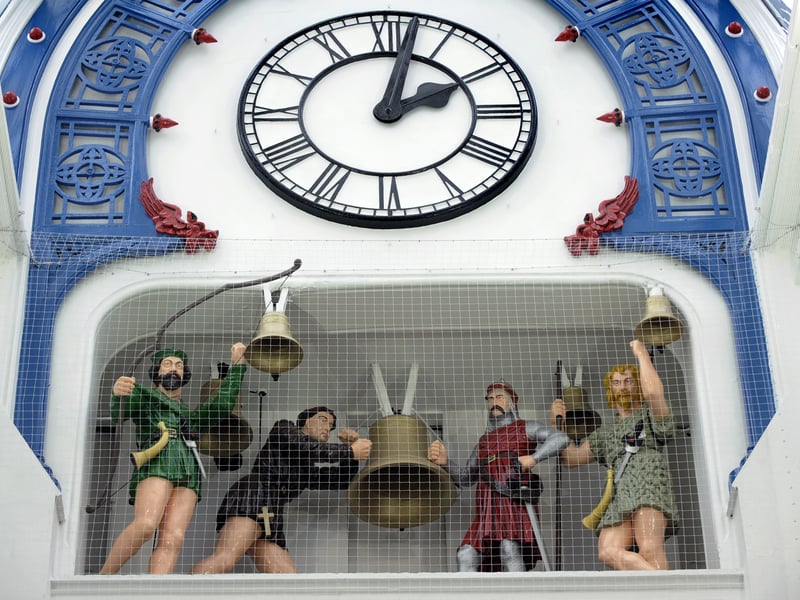
3. The Ivanhoe Clock (Thornton's Arcade, Lands Lane)
Most shoppers rush right past this elaborate Victorian timepiece in Thornton's Arcade. It is considered one of the finest surviving examples of Victorian street clocks, featuring moving, life-size figures from Sir Walter Scott's novel Ivanhoe (including Robin Hood and Richard the Lion-Heart) that perform a small mechanical dance every fifteen minutes. | YPN Photo: YPN
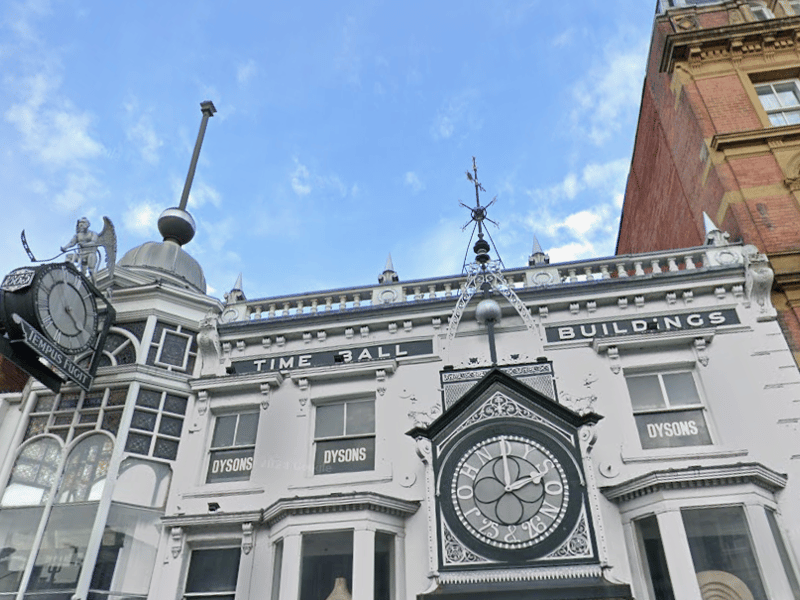
4. Leeds' Hidden Time Ball (24-26 Briggate)
Look up at the spire of the former Yorkshire Bank, and you will spot a small, black orb—a rare and fascinating relic of the city's past. This is a Victorian time ball, which would drop daily at 1 p.m. using an electrical signal from Greenwich to help merchants and citizens accurately set their watches before the advent of accurate radio signals. | Google Maps
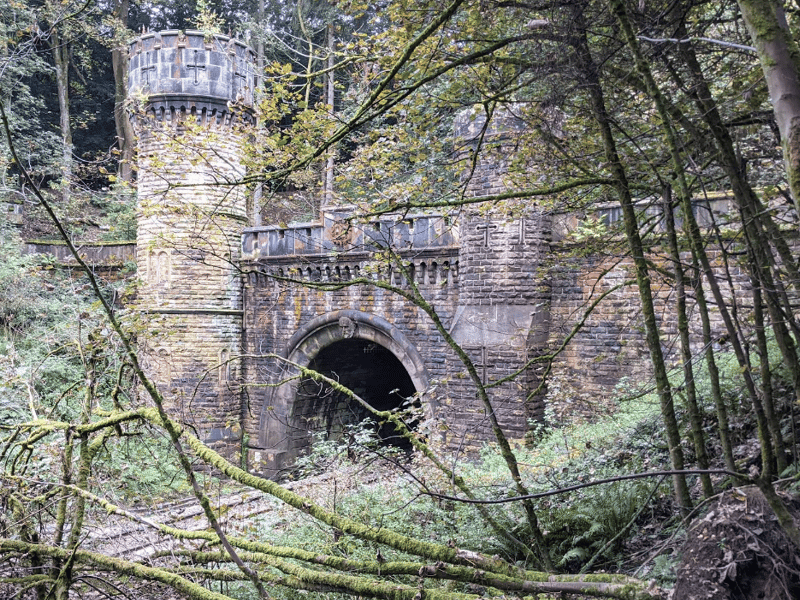
5. Bramhope Tunnel Folly (Near Adel/Bramhope)
To find this, you have to venture into the woods near Horsforth. It's not a natural ruin but the dramatic, Gothic, castle-like entrance to a Victorian railway tunnel. The ornate stonework and macabre carving of the original landowner's head make it look like something out of a fairytale, rather than a piece of railway infrastructure. | Adam Harrison/Google Maps
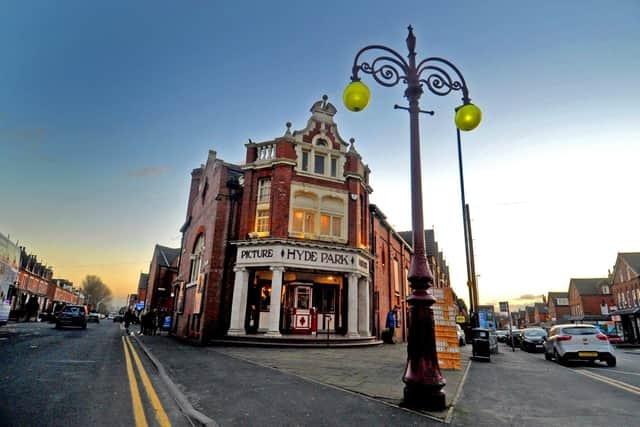
6. Hyde Park Picture House (73 Brudenell Rd)
This Grade II listed building has been preserved as a historical "time capsule" that retains many original features, including its iconic façade, external ticket booth, and the ornate nine-lamp gas lighting system in the main auditorium. After a significant restoration project, the cinema reopened in June 2023, and staff continue the century-old tradition of lighting each gas lamp with a long lighter before every screening. | Tony Johnson